
Paid ads
Google Ads for Dentists
Google Ads for dentists should split emergencies, new-patient exams, and cosmetic or implant consults, send each click to a matching page, and follow ad rules your counsel accepts.
//CodeHunterz
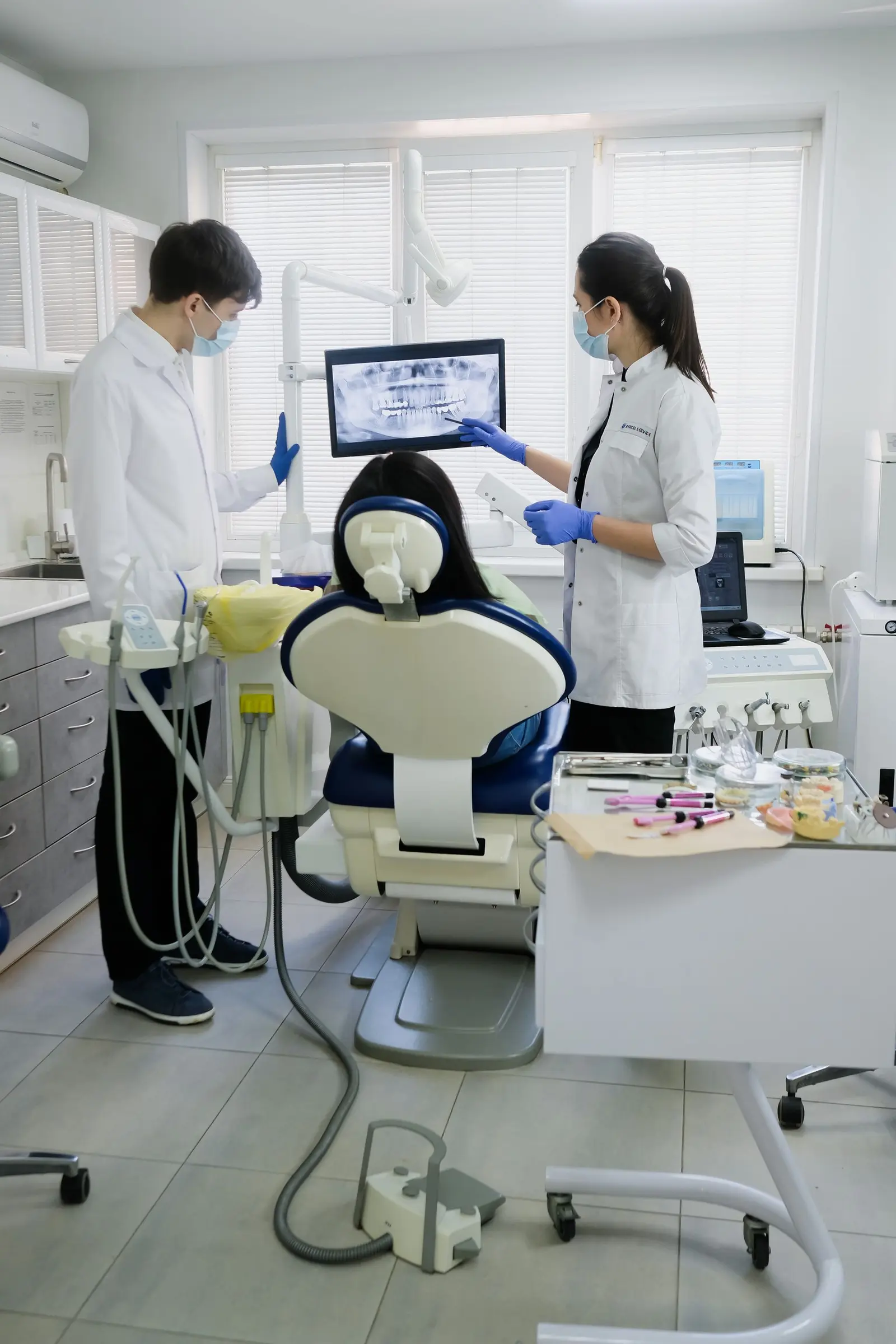
Google Ads for a dental office make sense only when the click matches a visit the practice will book. A toothache, a new-patient exam, an implant consult, and a cosmetic aligner conversation are not one campaign. They need different pages, different promises, and different staffing. An ad that the front desk cannot answer is a donation.
The industry setup is Google Ads for dentists. The unpaid work around pages and the profile is SEO for dentists. The order of what to fix before you buy traffic is dental marketing ideas. If the account is new, the beginner guide covers ownership of the account, negatives, and the search terms report. Fees are explained in Google Ads management pricing.
Split the visit types
Emergency and pain searches need the hours you actually see people, the number, and whether a same-day chair is real or "call and we will tell you." Send the click to that page, not to a smile gallery. If you do not see emergencies, do not buy the query. Negative it, and let the organic page say where to go if you want to be helpful without paying for the call.
New-patient exams and cleanings are planned. The ad can say you are accepting new patients only when that is true this month. The page should say how to book, what to bring, and which plans you are willing to name. If "accepting new patients" changes with the hygiene schedule, someone has to be allowed to pause the ad. A standing ad that the desk then declines trains people not to call.
Implants, aligners, and other high-consideration care are consults. The click is more expensive to waste because the visitor is comparing. The page should say whether you do that procedure in this office, who to ask for, and how a consult is requested. It should not quote a result. If you refer the procedure out, you do not need the campaign.
Run separate campaigns or, at minimum, separate ad groups with separate ads and separate URLs. A single ad group called "dentist" will mix a person who needs a dentist tonight with a person researching for a month, and you will not know which click to keep.
Policies and claims are not a copy trick
Dental advertising sits next to health rules that a general home-service account does not. Google publishes healthcare and medicines advertising policies, and they change. Your state and your malpractice carrier may have their own limits on testimonials, before-and-after photos, and superlatives. This article will not pretend to be that review. Before an ad promises a result, a look, or a recovery, your counsel and the current platform policy have to accept the sentence.
Practical lines that usually survive contact with a front desk:
- Name the procedure you perform.
- Name the office and the hours.
- Invite a consult or an exam.
- Say which plans you accept only if the list is current.
Lines that create both policy risk and bad visits:
- Guaranteed outcomes.
- "Best" claims you cannot substantiate.
- Before-and-after photos the patient did not approve for advertising.
- Prices for treatment nobody has diagnosed.
A membership plan or a new-patient offer can be in the ad when it is real, current, and explained on the page without a footnote that contradicts the headline. If the offer expired, pause the ad the same day. Leaving it up because the campaign "is working" is how the review gets written in the parking lot.
Negatives, geography, and insurance
Refuse what the practice will not book.
- Jobs, dental assisting schools, and "how to become a dentist."
- Procedures you do not perform.
- Products people want to buy online rather than book.
- Cities where you have no door. A practice with one office should target the area patients will actually travel, not every suburb in the metro because the map tool allowed it.
- Plan names you do not accept, if those searches only produce arguments at the desk. If you do accept a plan and want those patients, give that plan its own ad and a page that states the fact, and keep the list edited.
Neighborhood targeting is a radius and a set of negatives, not a cloned landing page per neighborhood. In a city where people search by neighborhood, such as Philadelphia, the ad can name the real office neighborhood if that is how patients look for you. It should not imply a second office in a neighborhood you do not occupy. One honest location beats a stack of doorway URLs. Local SEO is the unpaid version of that same rule.
Read search terms every week while the account is new. Add negatives in your own words. A template list is a start. It is not your schedule.
The page and the phone
The landing page repeats the visit type in the ad, shows the number, and tells a new patient what happens next. Emergency pages lead with the phone. Consult pages can use a short form plus the phone. Either way, the form has to reach a person the same day you are paying for the click. A form that lands in an inbox nobody checks is a broken campaign, not a tracking setup.
Use one primary number on the site and on the Google Business Profile. If you use a tracking number to learn which calls came from ads, keep it in the ad path. Do not replace the number on the profile and then use a different number on the page. Patients and the listing both get confused.
Whoever answers should be allowed to book the visit the ad sold, from openings that exist. If the hygiene book is closed for six weeks, either say that on the page or stop buying "appointment today" language. An AI receptionist for a dental office can cover gaps from a script the practice wrote. It cannot invent a chair, and it should not diagnose. Swelling, trauma, and uncontrolled bleeding transfer.
Money, without a promised patient count
The money you pay Google for clicks is not the agency fee. Keep them on separate lines. The pricing guide describes how management fees are usually discussed. It is not a quote. The Growth plan starts at $2,400 per month after a 20% launch offer (regular starting price $3,000 per month). Ad spend is separate. Limited-time launch offer, final quote after free strategy call.
Judge the month by booked visits you can trace to the campaigns, not by impressions and not by a blended cost that hides emergency calls inside cosmetic clicks. Pause what the schedule cannot absorb. A smaller account that the desk can answer will beat a larger one that looks busy in a dashboard and empty in the book.
What else do people ask?
Q01Should a toothache and a cosmetic consult share one campaign?
No. The person in pain needs hours and a number. The person comparing aligners or implants will read scope and how a consult is booked. Different ads, different pages, different schedules.
Q02Can dental ads promise a result?
Do not promise an outcome, a look, or a recovery the dentist has not diagnosed. Google's healthcare advertising policies and your own counsel set the limits. This article is not that review.
Q03What should the account refuse?
Jobs and dental-school searches, procedures you do not perform, plans you do not accept if those clicks only create arguments, and cities where you have no office. Add the rest from your search terms.
Q04What if the front desk cannot answer the calls the ads buy?
Narrow the schedule or the budget until the hours in the ad are hours a person answers. A click that reaches a full voicemail is not a new patient.
Q05Will ads guarantee a cost per new patient?
No. Queries can be tightened and the page can match the ad. A promised cost per patient is a forecast presented as a certainty. We do not sell that.
Written for US small business owners by the CodeHunterz team. This is general information, not a promise of rankings, leads, or savings. The service behind this guide: continue to the service page.