
Industries / Auto repair
Auto repair marketing for status calls and inspections
An auto repair shop spends much of the day on calls that are not new customers. People want the status of a car already in a bay, a yes or no on an inspection item, or a time to drop off. The website explains the work you do and how an estimate actually happens.
Book a free call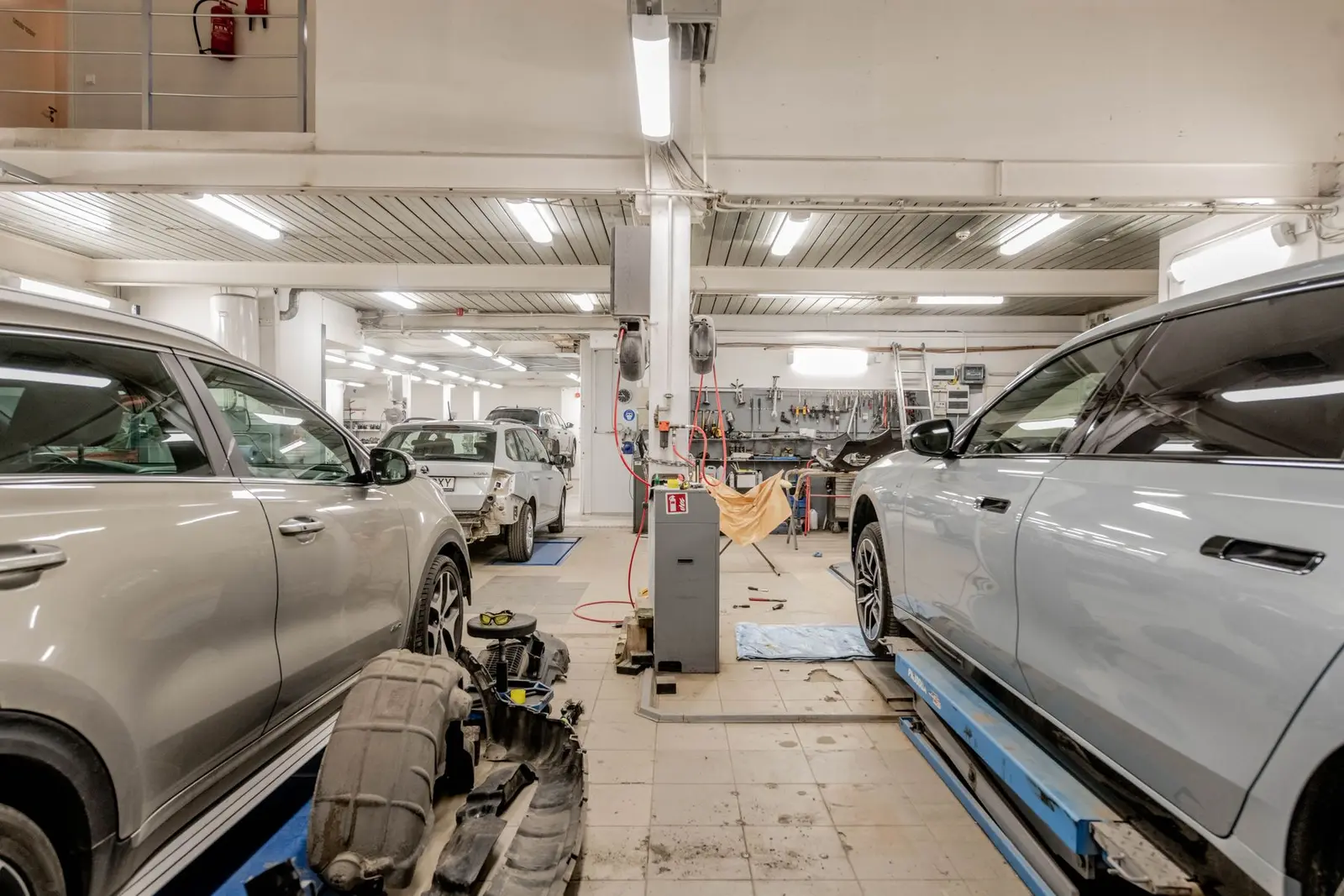
Most calls are about a car you already have
The phone rings because a customer is waiting on a decision. They want to know whether the part arrived, whether the shop recommends the repair the inspection found, and what the car will cost if they approve it. Those answers live in the shop's notes, not in a general knowledge of cars. An AI receptionist helps only when it reads what a service writer entered and refuses everything else. Website design helps the person who has not chosen a shop yet, and it should describe the bays you run.
This is for small and mid-size US independent shops and short multi-bay groups. The two services that matter together are the receptionist and the website. They have to share one menu of work, one set of hours, and one explanation of how an approval happens. A shop that gives two different statuses for the same repair order does not have a traffic problem yet. It has a notes problem, and the phone will expose it.
Status and approvals, without a guessed diagnosis
The script can give hours, say whether you work on a class of vehicle you have chosen to name, and take a drop-off request against the capacity you publish. Status calls get the note on the repair order: waiting on a part, waiting on approval, or ready after a time the writer set. If there is no note, the system says a person will call back. It does not infer a diagnosis from a noise, a dashboard light, or a mileage. It does not invent a price. A symptom is a reason to book an inspection, not a quote.
Inspection approvals are a defined path. The writer records the item, the price, and the question. The receptionist can read that back and capture a yes, a no, or a request to speak with a person. It should not add a recommendation the technician did not write. Warranty questions, insurance jobs, and anything that sounds like a safety dispute transfer to the writer. Recording follows the rule in your state, and the recordings belong to the shop. The summary a writer sees should be the decision and the callback, short enough to act on.
A website that matches the bays
The website lists the work you want: maintenance, brakes, diagnostics, the vehicles you welcome, and the work you decline. It explains that an estimate follows an inspection, and it says what that inspection costs if you charge a diagnostic fee. Photos should be the shop, the team, and the work. License, certifications, and warranty terms appear only when they are current. A page that claims you fix every car and every problem produces the calls that waste a bay and annoy the writer.
The site and the phone have to share that menu. If the website invites a class of work the receptionist was never given, you will book jobs you meant to decline. Hours, the after-hours rule, and the way a customer approves extra work should read the same in both places. We do not add fake review widgets. If you have few reviews, a clear account of the inspection process is more trustworthy than a portrait next to a sentence nobody said.
The phone and the site before any extra traffic
Shops often ask for more visitors when the leak is the second call, the one about status. Covering that call cleanly reduces the interruptions at the counter and gives the customer a straight answer. The website then has a simpler job: set the expectation that diagnosis comes before price, and show enough of the shop that a stranger can choose to drop the car off. Together they describe one operation. Apart, the site sells a version of the shop the phone has to apologize for.
CodeHunterz works remotely with US businesses and does not claim a local storefront. We will not promise a repair total, a comeback rate, or a ranking. We can help you count status calls handled from the writer's notes, inspection decisions captured, and drop-off requests that match the bays you have. Those are the numbers that tell you whether the system is doing its job.
Which services are written for auto repair?
- AI receptionist for auto repair shopsAn AI receptionist for auto repair shops answers status calls from your board, books diagnostics, and will not quote a repair before an inspection.
- Auto repair website design for the services you offerAuto repair website design for the services you offer, true hours, the makes you service, and appointment requests. Shuttles and coupons only if they are real.
What do owners ask first?
Q01Can the receptionist give repair status?
Yes, from a note the service writer entered: waiting on a part, waiting on approval, or ready at a stated time. If the note is missing, it says a person will call. It does not guess the status from the kind of job.
Q02Will it diagnose a noise or a warning light?
No. A symptom is a reason to book an inspection. Diagnosis and price come from the technician and the writer, after they have seen the car.
Q03How do inspection approvals work?
The writer records the item and the price. The receptionist reads that back and captures yes, no, or a request to talk to a person. It does not add work the technician did not recommend.
Q04Do we need a website if the phone is the main problem?
The phone can come first. The website still matters because it sets the expectation that an inspection precedes a price, and it should list only the work the bays do. The two should share one menu before you buy more traffic.
Q05Who is this for?
Small and mid-size US independent repair shops and short multi-bay groups. CodeHunterz works remotely with US businesses and does not claim a local storefront.