
Auto repair / AI receptionist
AI receptionist for auto repair shops
Most calls to a repair shop are not new jobs. They are people asking whether the car is done, and an AI receptionist can answer from the status an advisor marked, book a diagnostic, and read the warranty you wrote. It should not price a repair before an inspection, and it should not offer a shuttle or a loaner the shop does not have.
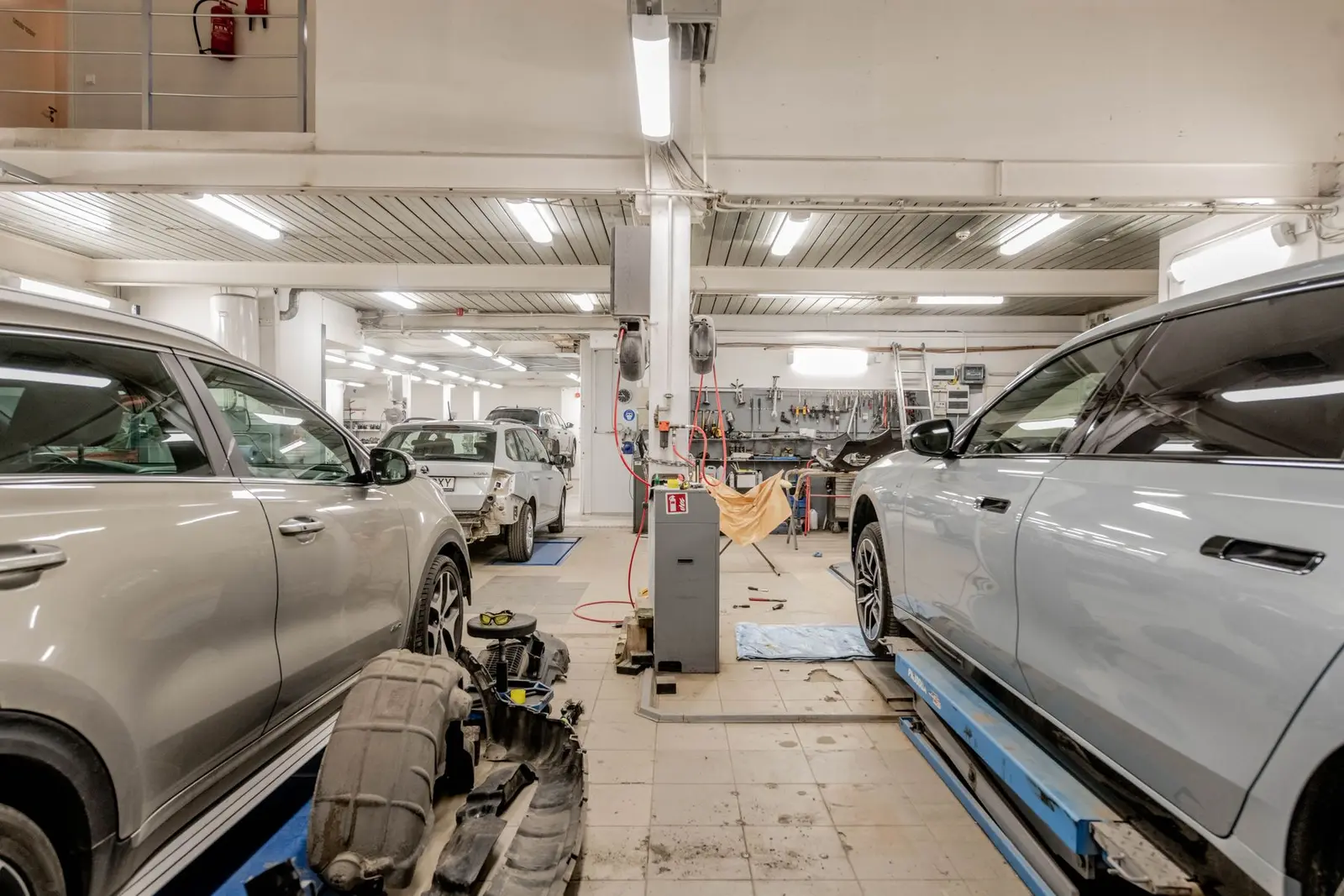
The status question that ties up the advisor
Advisors lose the middle of the day to a question the board could answer. The useful statuses are the ones a person updates: checked in, diagnosing, waiting on approval, waiting on parts, in progress, or ready for pickup. The assistant reads the status and the time it was posted. If the field is empty, it says the advisor has not posted an update and takes a callback, rather than filling the gap with a guess about the afternoon.
Approval is a different status from work already underway. The assistant can say an estimate is waiting and can transfer when the advisor is free. Unless you wrote an approval script for this line, it does not take a verbal order to add work, and it does not read a long parts list it can garble. Pickup hours and an after-hours key drop, if you run one, come from the same sheet as the status.
Identify the car before you read a status. A phone number plus a name is the usual match, and if two repair orders are open the assistant asks which vehicle rather than guessing which one is ready. A status on the wrong car is the visit that arrives angry. If the system cannot find the order, the assistant says so and takes the callback instead of describing a car it cannot see.
- Status limited to fields an advisor has marked, with the time
- An empty status left empty, plus a callback
- The right repair order when two cars from one household are in
- Approval transferred to the advisor unless your script says otherwise
- Pickup hours and key drop only as you operate them
- No guessed clock time for when the car will be done
A diagnostic appointment is not a diagnosis
New work starts as a diagnostic or inspection slot, not as a priced repair. The assistant collects the year, make, and model, the symptom in the words the caller used, and whether the car starts. Warning lights are written down as the caller describes them. The assistant does not decode a light into a part, and the slot it offers is one the shop schedule actually has.
Drivability is a safety sort that uses lines you approve. A car that will not stop, a brake pedal that goes to the floor, or steering that fails is not told to come by. The assistant uses your tow instruction for those cases. A car that starts and drives, with a noise the caller can live with, can be offered a diagnostic day, and the assistant does not turn every rattle into a tow or downplay a brake complaint.
If the scheduler is not connected, the assistant collects the vehicle, the symptom, and a preferred day, and the advisor confirms before the caller is told they have a bay. Promising the first hour of the morning because that is when shops often open is how the first diagnostic gets double-booked. Fleet accounts and extended service contracts usually need the advisor, because authorization rules differ, so those callers get a message or a transfer.
What the shop line is not allowed to say
There is no repair total before an inspection, including engines, brakes, timing components, air conditioning, or a claim that the fault is only a sensor. A caller who was quoted elsewhere does not get that number confirmed or discounted. The assistant does not name a failed part from a sound, a smell, or a code read aloud. The diagnostic appointment is what produces the price.
Warranty language is easy to over-say. Telling someone they are covered is forbidden unless a person has already applied the written policy to that repair order. The assistant may read the policy term and what it applies to, and it may not decide that a new noise is the old repair. Comebacks are scheduled rather than declared free, and wear, misuse, and unrelated failures stay inside the exclusions you wrote.
Rides and safety are the other hard lines. A shuttle or a loaner is offered only when the sheet for that day says one is available and the caller meets the written rules, and if both are out the assistant says so. It does not tell a caller to drive a car that will not stop, and it does not suggest adding fluid to skip a tow. Payment for an estimate stays with the advisor unless you have a real payment step you intend to use.
- A repair price or a part name before inspection
- Matching or undercutting a quote from another shop
- A coverage decision the policy text does not already make
- A loaner or shuttle that is not actually available
- Advice to drive an unsafe car, or a temporary fix
- Added work approved by the assistant without your approval script
Warranty, shuttle, and loaner from the sheet
The warranty sheet should be short enough to read aloud. The term, the work it covers, and the exclusions are the whole answer the phone is allowed to give. If the caller asks whether this symptom is included, the next step is an inspection, because coverage depends on cause. The assistant can schedule that visit and can note the prior repair order when the system finds it, and any goodwill exception waits until a person has looked.
Shuttle service has hours, days, and usually a distance limit, and those are the words to read. If the shuttle does not run on Saturday, do not offer a Saturday ride because the car will be ready then. Loaner rules might include a license, a deposit, insurance, or a repair above an amount you set. Read the rule, then check the count for that day, because having loaners as a policy is not the same as having one in the lot.
Key drop, after-hours pickup, and storage fees belong on the same sheet so the status answer and the policy answer do not conflict. A car that is ready after you have closed still needs the pickup rule, not a promise that someone will wait. Fleet accounts and extended service contracts route to the advisor because that authorization is not the consumer warranty. The hours on the website and the hours in this script should be the same Saturdays.
- Warranty term and exclusions read from the written policy
- Cause questions sent to inspection, not settled on the call
- Shuttle hours and distance, including days it does not run
- Loaner rules plus today availability
- Key drop and after-close pickup stated as they work
- Fleet and contract accounts handed to the advisor
An example week in the service drive
The week is an example of a service drive. It is not a production tally, not a client, and not a claim about cars delivered. Picture a six-bay independent shop where advisors update a status board, two loaners exist, and the shuttle runs on weekdays inside a set distance. Diagnostics are booked in the morning, and the assistant covers board questions while the advisors are in the bays.
Monday a caller asks whether the sedan is done. The board says waiting on approval as of late morning, so the assistant says that, skips the parts list, and transfers to the advisor, who is free. The next caller wants a price for a timing repair on a cold start, so the assistant refuses and books a Wednesday diagnostic the book shows as open, keeping the symptom in the words the caller used. A third caller says the brake pedal goes to the floor, and the assistant uses the shop tow line.
Tuesday someone asks whether the repair from last month is under warranty because a new noise started. The assistant reads the policy term, says a person has to see the cause, and schedules the comeback without calling it free. Wednesday a caller wants a loaner, both are out, and the shuttle is offered only because it is a weekday inside the distance. The Thursday list, with one diagnostic, one tow instruction, one warranty visit, and one loaner refusal, is an example, not a production report.
What do owners in this industry ask?
Q01Can it answer whether the car is done?
Yes, from a status an advisor marked, and only for the repair order you can match. It reads the status and when it was updated. An empty field becomes a callback, not a guessed time. If an estimate is waiting, it transfers to the advisor rather than taking approval, unless you wrote a script for that yes.
Q02Will it quote a repair before the inspection?
No. It books a diagnostic slot and records the symptom, the vehicle, and whether the car starts. It does not name a part from a noise or a code read over the phone, and it does not confirm another shop price. The inspection is what the appointment is for. A preferred day is a request until the book or the advisor confirms it.
Q03How are warranty questions answered?
The assistant reads the term and the exclusions from the written shop policy. It does not decide that a new complaint is covered. Comebacks are scheduled so a person can find the cause. A goodwill exception, if you ever make one, is decided by a person after that look, not in the greeting.
Q04Can it offer a shuttle or a loaner?
Only when both the written rule and the sheet for that day say yes. Shuttle days and distance are read as written. The loaner count is checked, including any deposit or other condition you set. If the cars are out, the assistant says so. It does not invent a ride to keep the booking.
Q05What if the car is unsafe to drive?
The assistant uses the shop tow instruction for the cases you listed, such as a pedal that goes to the floor or steering that fails. It does not tell the caller to bring the car by, and it does not suggest a temporary repair. Ordinary noises still book as diagnostics. The sort is your written line, not a guess from how worried the caller sounds.