
Local SEO
SEO for Dentists: A Practical Playbook
SEO for dentists means a page for each procedure you actually offer, one honest location, a Google Business Profile that matches the office, and a phone that can book the visit.
//CodeHunterz
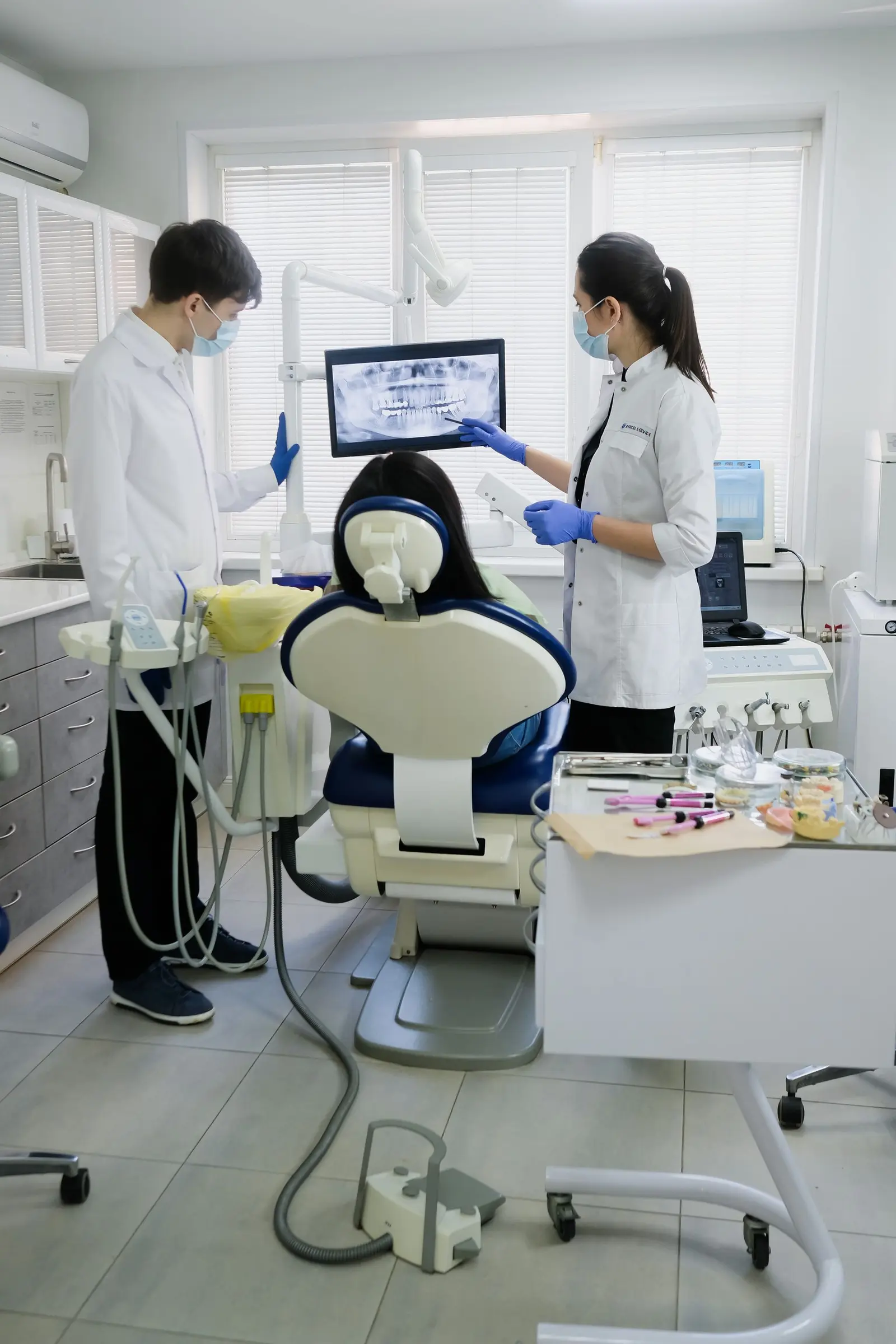
SEO for dentists is the work of being findable for visits the practice will actually book, at the doors patients can actually walk into, with a phone path that can finish the appointment. A toothache and a cosmetic consult are different searches. A single office and a second location across town are different facts. A site that treats all of that as one slogan wastes both the emergency and the comparison shopper.
The service page for this work is SEO for dentists. The broader marketing order, including reviews and what to fix before ads, is dental marketing ideas. The site those pages live on is dental website design. Nothing here promises a ranking or a new-patient count.
Procedure searches are not one search
People do not search for "dentistry" in the abstract. They search for a cleaning, a broken tooth, implants, a night guard, aligners, or a practice that takes their plan. Those visitors are in different moods.
Urgent intent is pain, swelling, a cracked tooth, or a crown that came off before a trip. The page has to say whether you see emergencies, during which hours, and the number to tap. It should not open with a history of the practice. If the real answer is "the doctor returns calls until 6 and a partner covers Saturday mornings," write that sentence, and only if the schedule can keep it.
Planned intent is the new-patient exam, the implant consult, the aligner conversation, the replacement of a failing crown. This visitor compares two or three offices. They will read. They want who does the work, what the visit is for, and how to book. They do not need a guarantee of an outcome.
Give urgent care its own page if you truly offer it. Give the planned treatments their own pages only for work you perform in this office. A menu of twenty procedures in one block serves the brochure and starves the search. If you do not place implants, do not publish an implant page because a competitor ranks for it. Ranking for work you refer out creates the wrong appointment and a review about a service you never provided.
Write clinical explanations in plain language a patient can use to decide to call. Do not write them as advice to treat at home. A page can describe what an exam is for. It should not tell someone to wait out swelling. When a sentence starts to sound like a treatment plan, stop and point to the booking path. The dentist owns the clinical judgment. The page owns the facts about the practice.
One office, or a page per real door
Most practices have one front door. That door gets one location story: the address, the parking or transit note patients actually need, the hours, and the phone. Repeat the service area only if you also travel, which most dental offices do not. If patients come to you, say that. Do not invent a service radius to collect nearby town names.
A second office earns a page when patients visit a different door. Different address, different hours, and usually a different phone or a clear extension. The page should say which doctors sit there. If both offices share a brand, link them, and do not copy the same four paragraphs with a new city in the title.
Neighborhood names matter in some cities because that is how people search. In Philadelphia, a patient often thinks in neighborhoods, and a University City office is not a South Philadelphia office. The honest fix is to describe the real door, not to publish a page for every neighborhood you can drive to in twenty minutes. The same rule holds in Phoenix, Nashville, or anywhere else the metro is larger than the practice. City pages on our site describe how a market changes a software project. They are not a stack of doorway pages, and your site should not become one either.
Pages that only swap a town name disappoint the person who clicks, because nothing on the page knows that town. They are also a pattern search engines have discounted for a long time. If an old vendor already built that grid, keep a URL only when a real office sits there. Redirect the rest to the genuine location or the genuine service, with a list, so you do not throw away an address that had earned a few real calls.
The profile a new patient can check in a minute
The Google Business Profile is often the first thing a phone shows, before the website. Treat it as the front desk's public fact sheet. The profile checklist is the item-by-item pass. Do it with the person who answers the phone, not only with a marketer.
Use the real practice name, the one on the door and on the insurance paperwork. Adding "best dentist" or a list of suburbs to the name to chase a query violates Google's naming guidelines and can get the listing suspended. Put those words in services and on the site.
Choose categories that match the dentistry you do. A general practice should not claim every specialty category the software offers. Services on the profile should use the same names as the pages. Hours have to match the site, including a lunch close if the phones actually stop. Photos should be this reception, these operatories, and these people, with permission where a patient is recognizable. A stock operatory is something patients have seen on five other sites.
Reviews should come from real visits. Ask after the appointment. Skip payments, discounts, and gifts in exchange for the review. Reply like a person. A short thanks, or a real offer to talk about a complaint, beats a reply stuffed with town names. Do not ask the model to invent a response that mentions procedures the reviewer did not have.
Insurance, emergencies, and sentences you can keep
Insurance participation is a search of its own. If you publish the plans you accept, keep the list where the front desk can edit it, and say what "we accept" means in your office. If you are out of network with a plan, say so before the visit. Surprise bills become reviews. If you do not want to publish a list, do not write a headline that implies you take every plan.
Emergency pages fail when they promise a same-day chair the schedule cannot offer. "Call and we will tell you whether a doctor can see you today" is a sentence you can keep. "Same-day emergency care" is a sentence the 4 p.m. board will break. Match the words to the policy the person on the phone is allowed to say.
Financing, membership plans, and new-patient specials belong on the site only when they are real and current. A badge that leads to a dead application is worse than silence. Prices, if you publish any, should be the prices the front desk will quote. Many offices should not publish a fee for work nobody has diagnosed. An exam fee you always charge can be stated. An implant total cannot, not from a webpage.
Health pages are held to a higher standard than a plumber's service page because people use them to make care decisions. Cite your own doctors' review of the copy. Date the page when you change a clinical description. Do not paste a manufacturer's claims. The local SEO guide covers the map, the site, and reviews for any local business. Dental search adds this clinical restraint on top.
So the visit can actually be booked
A listing can do its job and still produce no booked exams if the phone path is careless. The line on the profile and the line on the site should be the number a patient can reach. Tracking numbers belong in ads, not as a replacement for the published number on the profile.
Whoever answers should know which page the patient might have seen. Emergency, implants, a general search for the practice name: the greeting can be the same, and the questions should fit the visit. Capture the reason, whether the patient is in pain, and the office they want, then book only an opening the schedule actually has. A long script that re-sells the practice while someone is in pain is the wrong script.
If the desk is with a patient, the coverage plan matters more than another blog post. An AI receptionist for a dental office can book from rules you write and hand off swelling, trauma, and uncontrolled bleeding. It does not diagnose. Software does not replace the people who confirm care.
Count what you are willing to count: calls, new-patient exams booked, and which page or profile the person mentioned. A month of "rankings" with no booked exams is a month to interrogate, starting with the phone. Paid search is a different clock. If you run it, the account shape is Google Ads for dentists, and the fee conversation is separate from the clicks. Organic work is local SEO. Neither one is a promise of a full book.
What to look at each month
Read Search Console for queries that match procedures you offer, and ignore vanity queries that will never book. Read the calls. Fix the page that ranks and still does not say how to become a patient. Remove or redirect any town page that has no office behind it.
Update insurance, hours, and doctor bios when they change. A bio that still lists an associate who left is how trust dies before the consult. The SEO pricing guide explains how retainers are usually discussed in the US market. Those ranges are not a CodeHunterz quote. The quote is the profile, the pages, and the booking path you actually need.
What else do people ask?
Q01Should a dental office publish a page for every nearby city?
No. Publish the procedures you perform and the offices patients can actually visit. A second door with its own address, hours, and phone can have its own page. A cloned page that only swaps the city name does not help a single practice.
Q02Do emergency visits and cosmetic treatment belong on the same page?
They can share a site. They should not share one headline. A person with a toothache needs the number and whether you are seeing emergencies. A person comparing aligners will read scope, timing, and how a consult is booked.
Q03Can SEO guarantee new patients?
No. You can make the practice easy to understand and easy to book. You cannot buy a position or a patient count. Measure calls and booked visits, not a screenshot of one keyword.
Q04What should the Google Business Profile match?
The real practice name, the address patients use, the hours you keep, and the services you want the phone to ring for. Photos should be this office. The website URL should open the matching location, not a generic homepage that hides it.
Q05How does CodeHunterz price dental SEO?
The Growth plan starts at $2,400 per month after a 20% launch offer (regular starting price $3,000 per month). The final scope still follows the profile, the current site, and the visits you want the phone to book. Ad spend is separate. Limited-time launch offer, final quote after free strategy call.
Written for US small business owners by the CodeHunterz team. This is general information, not a promise of rankings, leads, or savings. The service behind this guide: continue to the service page.