
Dentists / Google Ads
Google Ads for dental practices that want the right visit
A dental ad can ask for a new patient exam or for a procedure you actually do. Those are different offers, different pages, and different conversations at the front desk. The expensive failure is a click from someone whose insurance you do not take, or a high fee procedure click that is answered like a cleaning. We do not guarantee new patients. Google is paid for the clicks. We are paid, separately, to run the account.
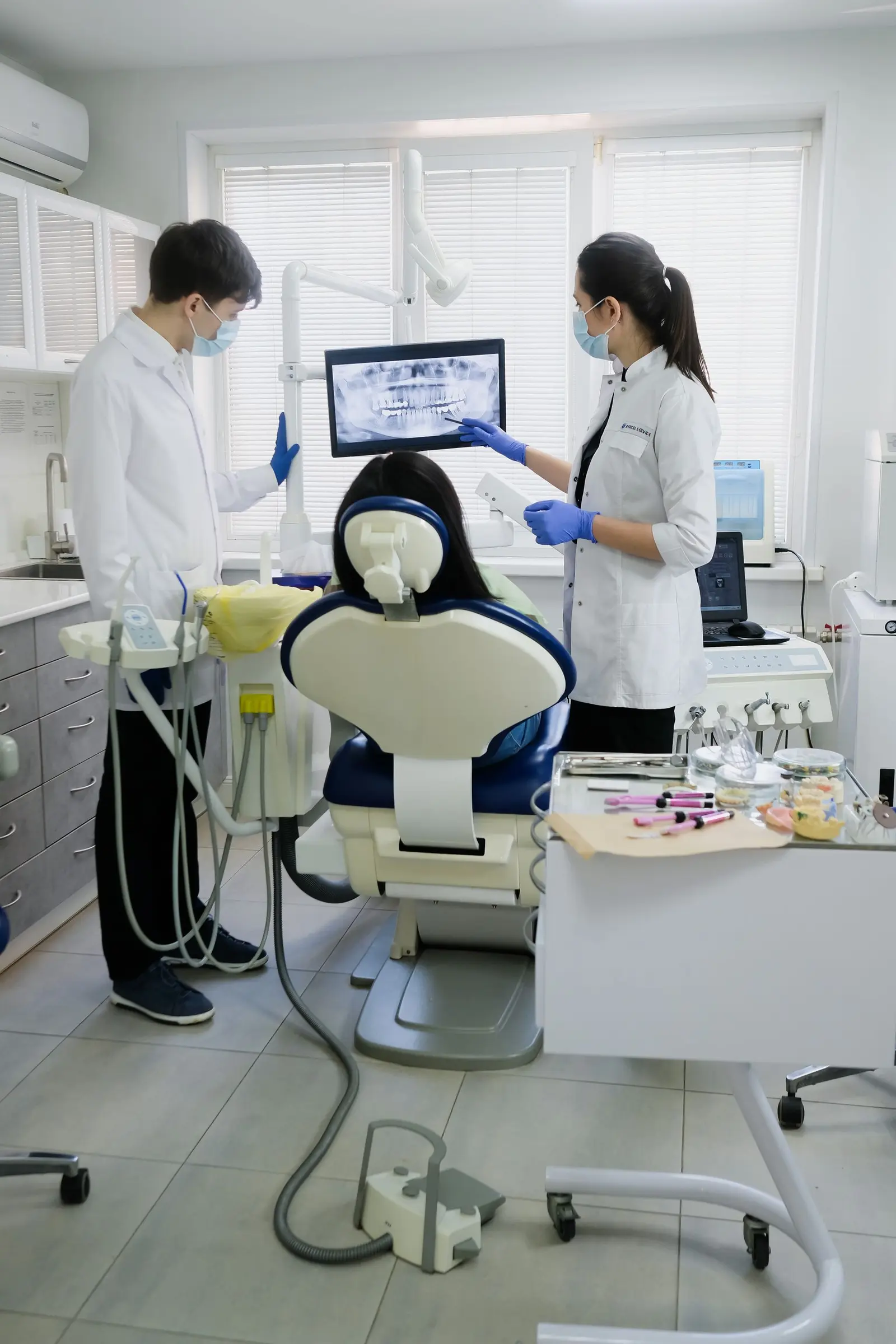
Exams and high ticket procedures are different offers
A new patient exam is a first visit: hygiene, a look, a plan. Implants, aligners, dentures, or sedation dentistry are considered purchases. People search them with different urgency and different fear. An ad that says "implants, Invisalign, and family dentistry" in one line attracts a blended click and gives the front desk no clue which conversation just walked in. Split them if you want to know what the budget bought.
Only advertise procedures the practice performs and wants more of. A page for a service you refer out creates a call you then decline. If implants are done by a visiting specialist on two days a month, the ad and the page should say that, including how the consult is booked. Pretending the calendar is wide open is how a campaign looks busy and the chair stays on the wrong visit.
Emergency toothache searches are a third offer. They need a same day path you can keep, or they need to be left alone. Sending a person in pain to a general "request an appointment" form is a good way to earn a review you will not like. If the practice does not hold emergency time, do not buy the emergency query.
Insurance mismatch is a lead quality problem
A large share of dental calls start with a plan name. If you participate with a short list, say the list. If you are fee for service, say that before the person drives across town. "We take most insurance" is how mismatch leads are manufactured: the click was real, the form was filled, and the patient cancels when the front desk explains out of network fees. That cancellation rarely shows up as a failed ad. It shows up as a hole in the schedule.
The plan list on the landing page should be dated and maintained by the practice. We will not invent participation. An ad can say "ask which plans we participate with" and send people to that list. It should not name a plan you dropped. Medicaid and state programs, if you do not take them, belong in negatives or in a clear sentence on the page so the click is an informed one.
Mismatch is not only insurance. It is also "sedation" when you mean nitrous, "dentures in a day" when the lab time is two weeks, and "free implant consult" when the consult has a fee. The search term can be right and the offer can still be wrong. We treat the offer as part of the account, not as copy the clinical team will fix later.
The person who answers is part of the ad
Call handling decides whether a qualified click becomes a visit. The front desk needs the same procedure list, the same plan list, and the same hours as the ad. A new patient exam campaign should be answered with the exam, not with an immediate pivot to a treatment the person did not ask about. A procedure campaign should be answered by someone who can explain the next step without inventing a clinical outcome.
Missed calls are a tracking problem and an operations problem. If the desk is with a patient at lunch, either the schedule of the ads avoids that window, or another person covers the line, or an after hours flow takes a message the desk returns the same day. Buying clicks into a ringing phone is a quiet way to spend the budget. We look at answer rate before we talk about raising spend.
An example, labelled as an example: a single location practice runs a new patient exam campaign to a page that lists participating plans, and a separate implant campaign that only runs on days the front desk has a coordinator free to take a longer call. Emergency ads stay off because the book has no same day block. That is a sketch of fit between ads and the desk. It is not a client result and it is not a volume promise.
The landing page has to be honest
The page that receives the click should name the visit, the city or neighborhood, whether you are taking new patients, and how to book. It should not open with a stock smile and a claim of painless, perfect, or guaranteed results. Outcome language is how a dental ad becomes a complaint. Before and after photos, if you use them, need to be your cases with consent, and they do not belong in the ad unless the practice has already decided they are allowed.
The page should match the query tightly enough that the person recognizes themselves. An aligner ad lands on aligners, with who is a candidate in plain language and who you will refer. An exam ad lands on the new patient visit: how long it is, what to bring, and what it is not. Hiding the phone number below a slider fails the person who is ready to call from the parking lot of their current office.
Forms can request a visit. They should not collect a medical history in a marketing tool. Clinical questions belong with the practice, on a channel the practice controls. We will say this when a template form asks for medications and conditions "for a better ad". That is not a better ad. That is extra data you did not need in an ads platform.
- Separate campaigns for exams, emergencies, and procedures you want
- A dated list of plans you participate with, or a clear fee for service statement
- Front desk language that matches the ad the person clicked
- No painless, perfect, or guaranteed outcome lines
- Call tracking so a missed lunch hour is visible before spend goes up
Spend, fees, and what we will not promise
Ad spend is paid to Google. Management is a separate fee for structure, ads, negatives, and the weekly reading of search terms and calls. Typical management fees for this work are often discussed as a percent of spend or as a monthly minimum. A small practice still needs the search term review, so a percent with no floor can underprice the work, and a percent with no ceiling can reward spend that the chairs cannot absorb. Those are reasons the market uses those shapes. They are not a CodeHunterz rate card.
We quote in writing after we see the procedures you want, the plan list, and how the phone is answered. We do not guarantee new patients, a cost per exam, or a return. A full hygiene book and an empty implant consult book are different problems, and an account that "makes the phone ring" without saying which phone call is not finished work.
Search ads are also not a substitute for a neglected profile and a site that hides the phone number. If those are the leak, we will say so. Local Services Ads, where Google offers them for dentistry, are a different product with their own rules. We will not assume your practice is eligible. We check. The map pack is not an ad, and buying clicks does not replace it.
What do owners in this industry ask?
Q01Should implants and new patient exams share an ad group?
Usually no. The offer, the page, and the front desk conversation are different. Share an ad group only when the practice would truly handle both clicks the same way. Advertise procedures you perform and have time to consult on.
Q02How do insurance mismatch leads show up?
Someone books, then cancels or argues when they learn you do not participate with their plan. The ad platform still counts the form. A dated plan list on the landing page, and a front desk that uses the same list, cuts that pattern down. It does not remove every mismatch.
Q03What does call handling have to do with the ads?
The click is only a ring until a person answers with the right visit and the right plan information. We look at whether calls are missed at lunch or after hours before anyone talks about raising the budget. Unanswered calls are spend.
Q04What should a dental landing page avoid saying?
Painless, perfect, guaranteed, and any result the practice cannot stand behind. It should also avoid naming plans you do not take and procedures you refer out. The page should match the ad and show a real way to request the visit.
Q05Do you guarantee new patients from Google Ads?
No. We report spend, queries, calls, and forms. Whether those become kept appointments depends on insurance fit, the schedule, and the conversation at the desk. Ad spend is paid to Google and is separate from the management fee.