
Local SEO
SEO for HVAC Companies
SEO for HVAC companies separates no-cool, no-heat, replacement, and maintenance, names the real service area, and keeps the phone staffed for the season you are in.
//CodeHunterz
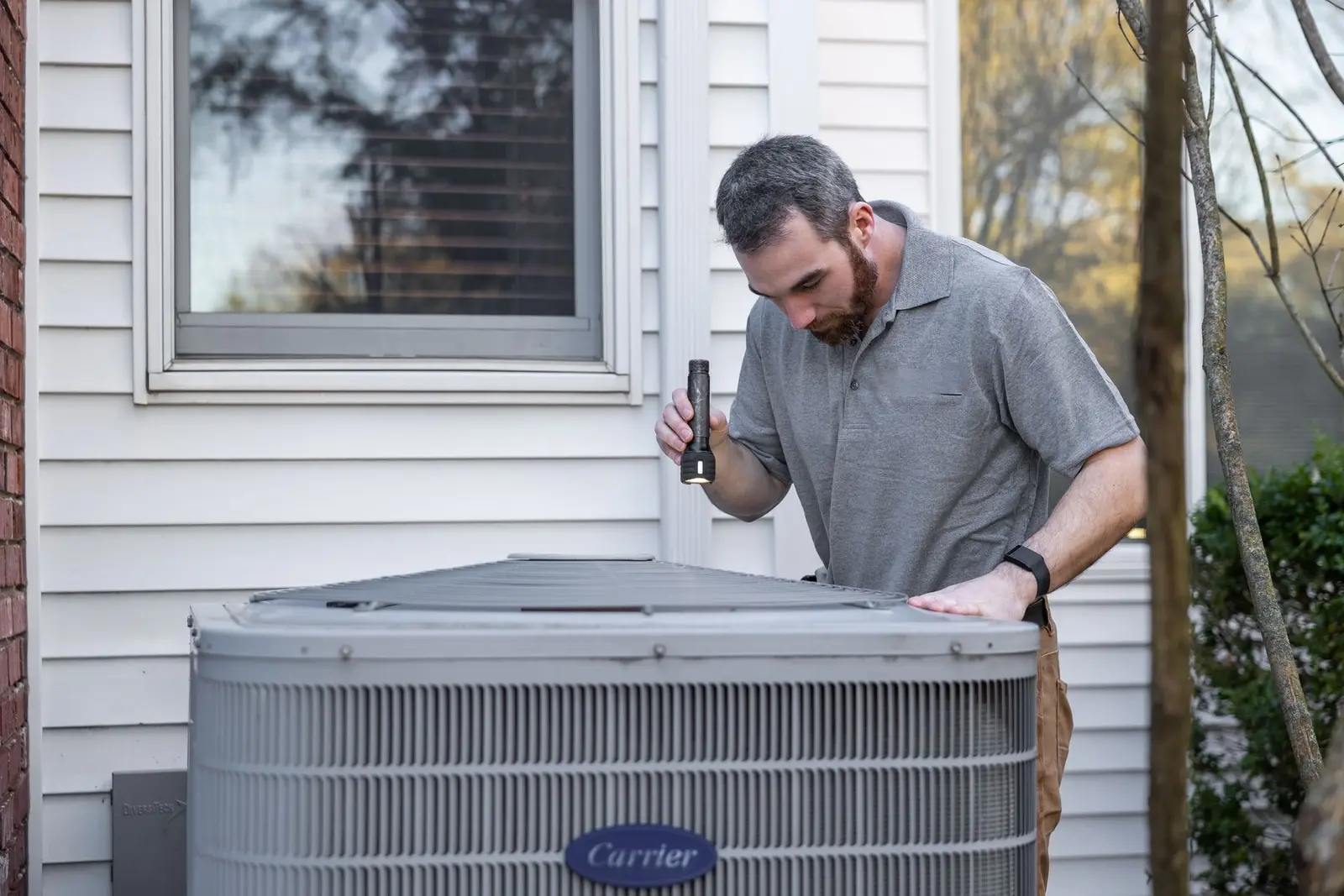
SEO for HVAC companies is the work of being findable for failures and replacements you will actually roll a truck for, inside the area you will actually drive, in the season you are staffed to answer. No cooling, no heat, a system ready for replacement, and a maintenance plan are four different conversations. A site that greets all four with one slogan books the wrong job or books none.
The industry page is SEO for HVAC. Paid search, which should not be confused with this work, is Google Ads for HVAC. The map side of local search is how to rank in the Google map pack. Nothing here promises a position.
Four intents, four pages
No cooling is impatient. The house is hot, the search is short, and the visitor needs to know that you service that failure, roughly where you will drive, and the number to tap. They will not read a company history first. If your real response is "a dispatcher calls back within the hour inside these cities," say that, and only if the board can keep it.
No heat is the same shape in a different season. Do not leave it as a paragraph under the cooling page and hope winter visitors scroll. In a cold week it is the only paragraph they came for.
Replacement is a comparison. The system is old, someone else may already have quoted, and the visitor will read efficiency, what you need before the visit, and how scheduling works. This page can be calmer. It still needs the phone.
Maintenance is a plan, a club, or a tune-up before the season. It is not an emergency. If you sell agreements, say what the visit includes and what it does not. If you do not, do not publish a maintenance page because a competitor has one.
The homepage should let all four visitors survive the first screen: you are an HVAC company, here is the number, here is the split. Then each job gets a URL if you will take the call. Jobs you refuse, brands you do not service, and commercial work you do not staff should stay off the site. Ranking for a boiler you will not touch is a truck you sent for nothing.
Photos should be your trucks, your techs, and equipment you installed, with the customer's permission when the picture shows a recognizable house. A stock condenser is a picture homeowners have already seen. If the camera roll is thin, use a few honest photos and add more as jobs finish.
A service area is a drive, not a grid of towns
Dispatch already knows the map. The site should say it once: the cities you schedule as a matter of course, the edge where a trip fee starts, and the line you will not cross. Repeat a short form of that truth on each service page. If cooling repair covers a wider radius than a full change-out, those pages should not claim the same circle.
In Phoenix, summer cooling demand and the spread from one Valley city to another are the operating facts. A company that will not drive from the north Valley to the southeast should say so. In Denver, hail and a fast temperature swing change what a crew can promise on a given afternoon, and Boulder is not a Denver neighborhood. Those city notes are about how a market changes a project. They are not an invitation to publish a page per suburb. The plumber SEO playbook uses the same test, and it applies here: if you removed the town name, would you still have something to say that the main service page does not? If the answer is no, do not publish it.
One strong page about the work beats a stack of doorway pages. Internal links from the homepage should use the job names, so a person and a crawler can reach the no-cool page without guessing the URL. If a shop customers can visit exists, publish that address and those hours. If you are a service-area business with no counter, do not invent a storefront.
The profile has to survive the hot week
The Google Business Profile is the map listing, and on a no-cool afternoon it is often the whole decision. Primary category should match the company. Add extra categories only when they are true and you want those calls. A profile that also claims roofing, plumbing, and electrical because the form allowed it will attract work you cannot staff. If you do those trades for real, give them their own pages and their own honesty, the way contractor SEO separates a roofer from a general contractor.
Services on the profile should match the pages. Hours should include the emergency reality. If the office line closes at 5 and a different line runs later during a heat wave, the profile, the site, and the person answering have to agree. The business name is the name on the truck and the license. Stuffing "AC repair" and a list of cities into the name is a naming-guideline problem, not a growth tactic.
Reviews come from real jobs. Ask after the work. Do not pay for them. Reply like a person, including when the complaint is that you could not get there during the peak. A reply that argues with a customer in public, or that pastes town names into every thank-you, reads as a template. The local SEO guide is the cross-trade version of this standard.
Seasonality is a content problem, not a slogan
The site has to be able to say what you are doing this month. A homepage that promises same-day cooling, same-day heating, replacements, and maintenance at the same speed all year creates calls the board cannot take. Build a seasonal note your office can change: which failure you are prioritizing, which cities are still inside the window, and what is booked out. That is an editing job. It is not a new website every May.
Maintenance content can run before the season, when people are willing to schedule. Emergency content has to stay accurate during the season, when people are not. Do not write a scare page about a storm or a heat wave you are not staffed to answer. Helpful preparation, such as what to tell the dispatcher about the thermostat and the age of the system, is fair. A countdown that implies you will arrive in thirty minutes is not, unless you measure that and the evening traffic still allows it.
Commercial and residential work should not share a headline if the crews, the hours, and the sales path differ. A property manager comparing a maintenance contract is not the homeowner with a dead condenser. Say which one the page is for.
The call is the ranking you can control
Put one primary number on the profile, the site, the invoices, and the citations that matter. Tracking numbers can live in an ad path. They should not replace the public number in three different places and make you look like three unfinished companies.
Whoever answers needs the policy in writing: which calls are emergency, which wait until morning, which brands you service, and which cities are a trip fee. An answering setup that does not know the map will book a two-hour drive you never intended. If you add software to cover the overflow, the script still has to be yours. The industry setup is an AI receptionist for HVAC. It does not invent an arrival time.
License numbers belong where a homeowner and a general contractor can see them. Financing, if you offer it, should describe the real path. Reviews and photos on the site should be yours. A widget that invents stars is a short-term decoration.
Each month, read the queries that match jobs you sell, the calls, and the booked work. A month of impressions for a city you do not serve is not a win. The SEO pricing guide is how retainers are usually discussed. It is not a quote, and it is not a ranking guarantee. Organic search and Google Ads solve different clocks. One is a backlog. The other is rent you can pause.
What else do people ask?
Q01Should no-cool and no-heat share one page?
They can share a site. They should not share one vague headline. The searches peak in different seasons, the truck roll is different, and the visitor needs to know you handle that failure today.
Q02Should an HVAC company publish a page for every town it might drive to?
No. State the service area on the pages you already need. Give a town its own page only when a shop, a crew, or a real difference in scheduling lives there.
Q03Can SEO promise the map pack for AC repair?
No. You can clean up the Google Business Profile, publish pages for work you will roll a truck for, and keep the name and phone consistent. Position is not a promise a vendor can make.
Q04What if we rank and the emergency line goes to voicemail?
The visit does not become a booked call. Staff the number you put on the page and on the profile during the hours you advertise, especially on the hottest and coldest days.
Q05How does CodeHunterz price HVAC SEO?
The Growth plan starts at $2,400 per month after a 20% launch offer (regular starting price $3,000 per month). Scope still follows the profile, the current site, and the jobs you want the phone to ring for. Limited-time launch offer, final quote after free strategy call.
Written for US small business owners by the CodeHunterz team. This is general information, not a promise of rankings, leads, or savings. The service behind this guide: continue to the service page.