
HVAC / SEO
SEO for HVAC companies
HVAC searches are not one intent. Someone whose house is hot tonight wants a repair. Someone comparing a heat pump with a gas furnace wants a replacement conversation. Someone booking a tune-up wants maintenance. The site should separate those jobs, cover the area you actually roll trucks to, and mention equipment brands only when you install them. This is not a promise of rankings.
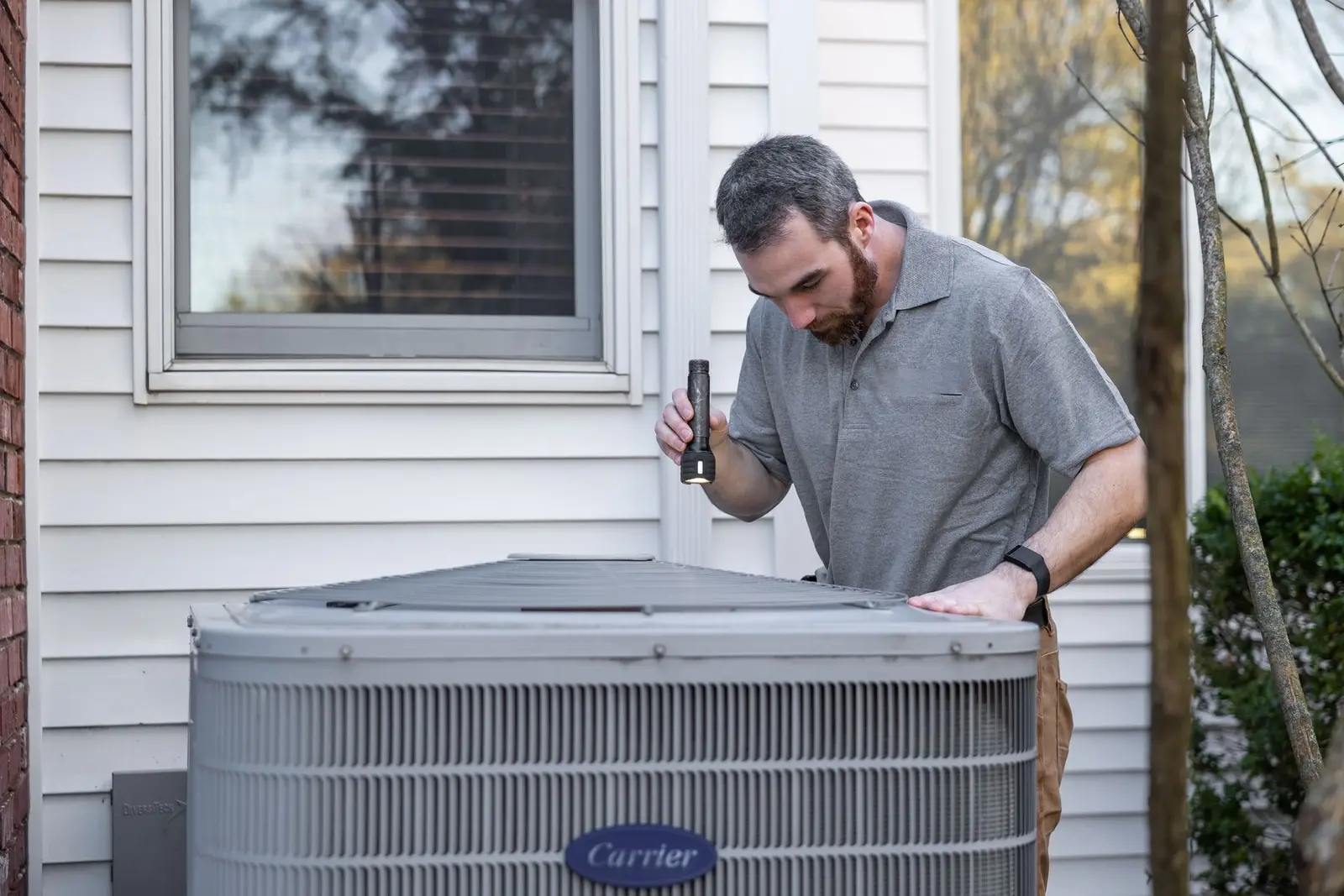
Repair, replacement, and maintenance are different searches
A repair page is for failures: no cooling, no heat, a system that short cycles, a thermostat that does not match the equipment. Say what a diagnostic visit includes, what your after-hours window really is, and that you do not price a repair from a paragraph on a website. If you are closed on Sundays, the page should not hint at all-night service. The profile hours and the page have to match, or the after-hours call becomes a complaint.
A replacement page is a slower decision. System age, what you measure on a visit, and the equipment you install in your climate are the content. A heat pump and furnace comparison belongs here only if your team can have that conversation and you sell the products. Publish a price range only when you will honor it and you can say, in the same paragraph, what changes the number. A "starting at" figure that the comfort advisor abandons in the kitchen becomes the review.
A maintenance page should list the checklist, what is not included, and the membership terms if you sell a plan. Those terms need to match the agreement the technician hands over. Do not publish do-it-yourself steps for refrigerant, electrical, or gas work. A marketing site is the wrong place for repair instructions, and that content is not a safe thing to chase in search.
- Repair pages for failures, with honest after-hours hours
- Replacement pages for the systems you actually install
- Maintenance pages that match the membership agreement
- Prices published only when the visit can honor them
- No DIY refrigerant, electrical, or gas instructions
Seasonal pages that stay useful out of season
Spring cooling checks and fall heating checks deserve pages if you offer them. Write them so they are still honest in the off season: what the check includes, who it is for, and how to book. A page that only tries to frighten people during a heat wave, and says nothing in November, is a thin page with a date on it. The durable part is the checklist. The seasonal part is when your schedule usually fills, and that sentence needs a year on it.
You can mention weather as planning, not as a threat. "Cooling maintenance books up before the first hot week" is a scheduling sentence if it is true for your company. A claim that one more hot day will destroy a compressor is fear bait, and you cannot know that from a keyword. An example of wording to avoid, labelled as an example: "One more hot day and the system is done." Delete that line. Keep the checklist.
Update seasonal pages when the offer changes. A rebate, a membership price, or a tune-up bundled with a repair has to come down when the offer ends. Leaving it up is how you get an argument in the driveway. Put the offer's end condition in the draft so someone knows when to remove it. The same habit applies to financing notes.
Service area and brand pages you can stand behind
Describe where the trucks go. If there is a trip fee, say so, including the distance that triggers it. If you serve one side of a metro and not the other, say so. One service-area page is the right tool for a company with one yard. City pages are for places where you have a real base or something specific to say about housing, permits, or equipment you see there often. Swapping the city name through a replacement article is a doorway pattern. It does not tell a homeowner whether you will come.
Brand pages are for equipment you install and can get parts for. Names such as Carrier, Trane, Lennox, Rheem, or Mitsubishi belong on the site only when they are lines you sell. Say that you install and service that equipment. Do not imply you are the manufacturer, and do not copy the manufacturer's pages. A logo, a city, and two generic sentences is not a brand page. If you stopped selling a line, take the page down or say you service existing systems and no longer install new ones, if that is the truth.
Profile categories should follow the same line. HVAC contractor is the usual primary category for a full-service residential company. Add furnace or air conditioning repair when those are real services. Do not add plumber or electrician unless you do that work under the right license. The business name stays the business name. "Emergency AC repair" can be a service. It should not be glued onto the legal name.
What HVAC SEO tends to cost
Local SEO retainers are often discussed around $750 to $5,000 per month, depending on competition and content. A smaller shop with repair, a straightforward replacement page, and one maintenance offer is usually discussed lower than a company that maintains several brand lines, two seasons of offers, financing language that changes, and a wide service area that has to be described carefully. Crowded markets move the conversation up inside the range. They do not create a right to a particular position.
Search ads are a different channel. They can cover call demand while pages are being written, especially in a heat wave, and they are not a substitute for a site that separates repair from replacement. Turning ads off because a page was published is not a strategy we recommend, and publishing a page is not a reason to expect the map results to rearrange themselves.
That range is not a CodeHunterz rate card. It is not a quote. It is not a ranking guarantee. It is not a promise of a page one ranking or a map pack position. We quote after we see the services, the brands you install, the profile, and the area the trucks cover.
An example season, labelled as an example
This is an example of a content season. It is not a client and not a result.
A residential company installs and services two equipment brands, offers repair and replacement, and sells a maintenance membership. In late winter they update the cooling-maintenance page with the checklist and the current membership price, and they remove a rebate that expired in December. The replacement page names the two brands they install and says they do not install a third brand an old page still mentioned. The repair page states weekday evening on-call coverage and no Sunday dispatch.
One service-area page lists the counties and a trip fee past a certain drive. They do not launch a city page for each town. Nothing in this example says the company moved in the search results. It says the site now matches the board in the office and the brands on the trucks.
What do owners in this industry ask?
Q01Should HVAC repair and replacement share one page?
They can link to each other, and they should not be the same page if you offer both. A person with no cooling and a person pricing a new system are not ready for the same next step. Give each intent its own page, and keep maintenance separate when you sell tune-ups or a membership.
Q02Are equipment brand pages worth publishing?
Publish one when you install that brand and can say something the brochure does not: that you sell it, service it, and how it fits the replacement choices you offer. Skip the page when it is a logo plus a city, or when you do not sell the line. Do not copy the manufacturer's text.
Q03How do seasonal HVAC pages stay useful in the off season?
Lead with the checklist, who the visit is for, and how booking works. Take down expired rebates and prices. Skip threats about the weather destroying equipment. A page that is only urgent for a few weeks will look empty the rest of the year, so write the parts that stay true first.
Q04What does HVAC SEO cost?
Local SEO retainers are often discussed around $750 to $5,000 per month, depending on competition and content. That is not a CodeHunterz rate card and not a ranking guarantee. More brands, more offers to maintain, and a more crowded market sit higher in that range. We quote from the services and the area you cover.
Q05Can SEO replace ads during a heat wave?
No. Ads can cover immediate call demand. Pages still need to separate repair, replacement, and maintenance, and neither channel promises a map pack position or a page one ranking. Publishing a page is not a reason to shut ads off, and ads are not a reason to skip the pages.