
HVAC / AI receptionist
AI receptionist for HVAC companies
A no-cool call at night is not a maintenance visit, even when both callers say the air conditioner is the problem. An AI receptionist for an HVAC company can split those paths if you write the difference down: page the on-call technician, or book the member into a maintenance window that exists. It should not name a failed part from the story, and it should not promise same-day service the board cannot keep.
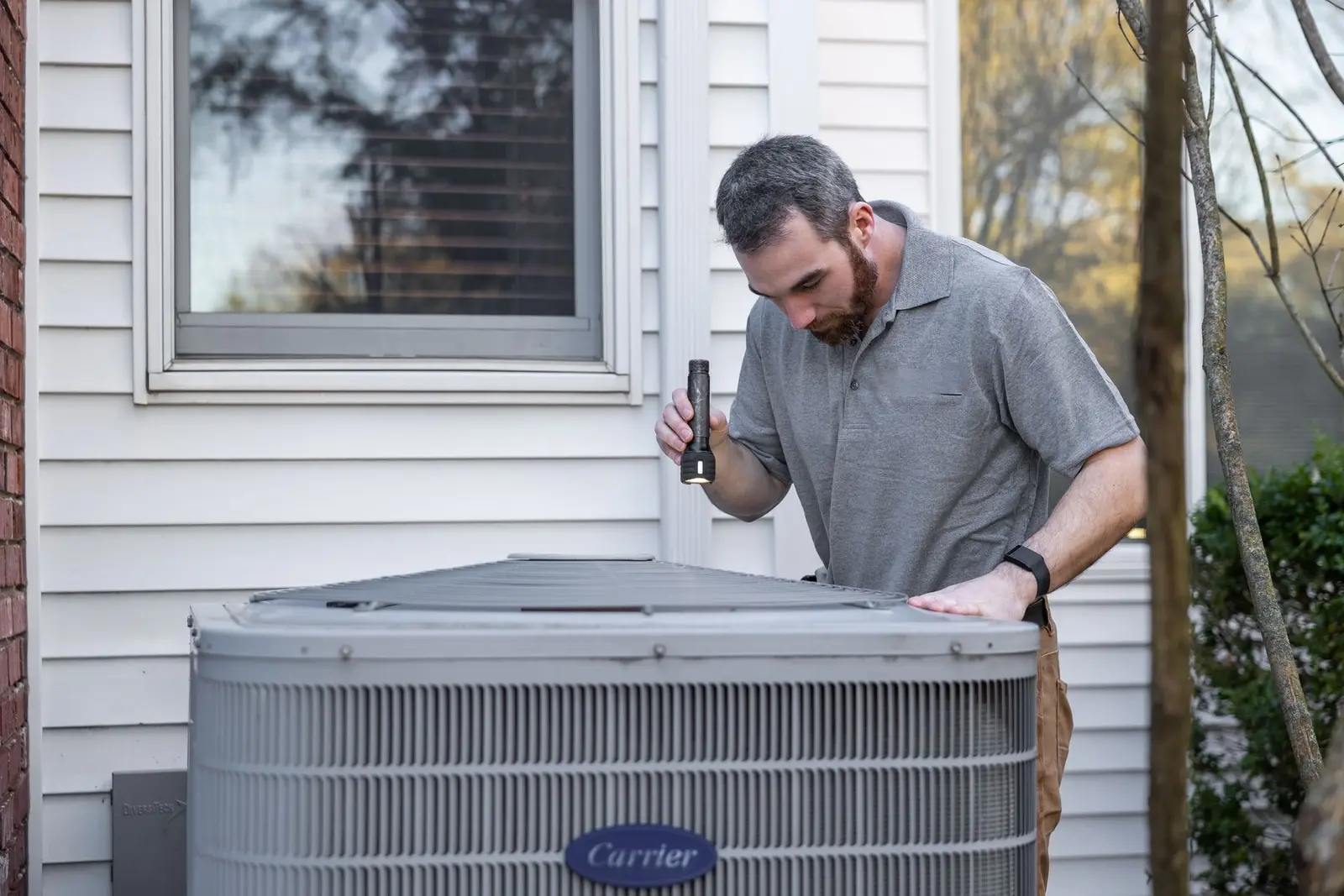
No-cool and no-heat are not tune-ups
After hours, the useful question is whether the home meets the emergency rule you wrote. No cooling and no heat qualify only on the conditions you listed, which might include an indoor temperature past a number you chose. A warm upstairs on a mild evening can still be a morning dispatch. The script should say that next step plainly, including when nobody is rolling until daylight.
Membership maintenance should not consume the emergency path. Spring and fall visits, filter schedules, and club visits belong on the maintenance calendar you actually open for booking. If members get earlier windows, say so only because the dispatcher sorts the board that way. If they do not, the assistant should not imply a priority you do not run.
Gas odor and a sounding carbon monoxide alarm are not comfort calls. The line you approve is to leave the building and contact the utility or the fire department. The assistant does not book those as a tune-up, and it does not coach anyone to relight a furnace or open a gas appliance. A technician visit can be discussed later, after the hazard is out of the script.
- No-cool and no-heat checked against the emergency rule you wrote
- Membership visits booked only into maintenance windows
- Symptoms recorded without a verdict on the failed part
- Gas odor and alarm calls sent to the safety instruction you approved
- A morning note when the call can wait
- Priority language only where the membership actually has priority
Dispatch, the on-call phone, and the map you cover
Dispatch is a handoff, not a diagnosis. The assistant collects the service address, what the thermostat is set to, whether the outdoor unit is running, and any code on the thermostat as digits the caller can read. It does not translate that code into a part. The note goes to the technician or the morning dispatcher in the form your office already uses.
The on-call transfer happens when your rule says to page, and only when a person is holding the phone. If the rotation is empty, the assistant says nobody is on call and gives the next window you authorized. A transfer that rings out is worse than a clear limit. Test the on-call number the way the technician will hear it, from a cell, at the hour they sleep.
Service area is a list. Cities, zips, or a drive-time boundary you maintain decide whether a truck can be offered, and addresses outside that list are declined. A booked call you cancel at dawn because the house is too far becomes the review that hurts. If a second crew covers a second map, the script needs that split, including which phone rings for which territory.
What the line is not allowed to say
The assistant does not diagnose equipment. It does not name the capacitor, the compressor, the blower, or the refrigerant charge, however familiar the story sounds, and it does not price a repair from a model number. The technician diagnoses on site. The phone only decides whether someone goes, and when.
Arrival language is policy. Same-day is allowed only when today has a slot the dispatcher marked open. If the board is full, the assistant offers the next real window and does not say it will try to squeeze the caller in, because that sentence is heard as a promise. After-hours fees are spoken only when you publish them, and a trip fee is never described as the repair price.
Coverage and capability follow the same restraint. The assistant does not claim you serve every town in the metro, and it does not offer boiler work, refrigeration, or new-construction installs that are not on your list. It does not talk a homeowner through removing a panel. When a caller wants the cheapest option, it can state the published diagnostic or membership visit and then stop.
- A failed part named from the caller description
- A repair price for equipment nobody has inspected
- Same-day, or a set arrival hour, that the board does not support
- Towns outside the service-area list
- Step-by-step help opening a furnace or a gas appliance
- A comfort booking for a gas smell or a carbon monoxide alarm
When the season fills the board
The first hot week and the first hard freeze change the math. Evening calls stack, members phone because last year had a tune-up, and emergency language shows up on jobs that are uncomfortable rather than unsafe. The script needs a capacity sentence a dispatcher updates, such as the next maintenance day that is still open. A permanent same-day line will outlive the week you could staff it.
Shoulder season is when the script should get quieter. If the board has room, maintenance can be offered further out and the emergency rule can stay narrow. A tune-up promotion may be mentioned only while it is on the current sheet, with the dates, and it may not be extended on the call. Seasonal urgency invented by the model is how a company promises a week it cannot cover.
Commercial and residential work should not share a casual yes. A rooftop unit on a store and a split system in a house may be different crews, different hours, and different on-call phones. Ask which it is early. If you do not do commercial work, say so before you collect a long equipment history, and keep that sentence aligned with the website.
An example week in a heat wave
Read this as an example of dispatch rules. No company here is a CodeHunterz client, and none of the calls are measured results. Picture a residential shop in the second week of a heat wave. Two technicians run maintenance by day, and one phone rotates for after-hours no-cool calls that meet the written rule.
Monday night a caller has no cooling and an indoor temperature past the number the owner set. The address is inside the zone, the outdoor fan is not spinning, and the assistant transfers to the on-call technician without naming a part. An hour later a member wants the fall tune-up moved up, and that call goes to the next maintenance window because the house still has cooling. A third caller smells gas, hears the leave-and-call-the-utility line, and is not booked.
Tuesday a caller two towns past the list asks for same-day service and is declined, with no maybe attached. By Wednesday noon the board has no same-day slot, so later callers hear the next open window. Thursday morning the dispatcher reads one transfer, one maintenance booking, one safety refusal, and one out-of-area decline. That is an example of the sort, not a report of revenue.
What do owners in this industry ask?
Q01Can it tell a no-cool emergency from a maintenance visit?
Yes, if you write the difference in advance. Emergency means the conditions you listed, such as no heat or no cooling past the limits you set. Maintenance means a member or a tune-up on the maintenance calendar. The assistant does not decide that a story sounds urgent and page a technician you did not intend to wake.
Q02Will it promise same-day service?
Only when the dispatcher has marked a same-day opening. If the board is full, the assistant offers the next window you actually have. We will not ship a greeting that says same-day as a blanket offer. A promise the truck cannot keep becomes the complaint, especially in the first hot week.
Q03Can it dispatch a technician by itself?
It can transfer to the on-call phone when your rule and the rotation say someone is there, and it can write the note the morning dispatcher uses. It should not assign a truck, a part, or an arrival minute on its own. If the on-call number is unmanned, the script says so instead of ringing into silence.
Q04What about addresses outside the service area?
The assistant checks the city or zip against the list you maintain and declines the ones outside it. It does not book a call for you to cancel later. If you add a town, or a weekday-only territory, you update the list first. The phone and the site should name the same area.
Q05Will it diagnose the unit from the story?
No. It can record symptoms, thermostat settings, and any code the caller can read aloud. The technician diagnoses on site. The assistant will not name a failed part or a repair price from the description. That refusal is part of the script, not a gap you fill with a more confident prompt.