
AI receptionists
AI Receptionist for HVAC Companies
An AI receptionist for an HVAC company should book only the jobs you listed, from real openings, and transfer no-cool or no-heat emergencies using the rule your on-call tech approved.
//CodeHunterz
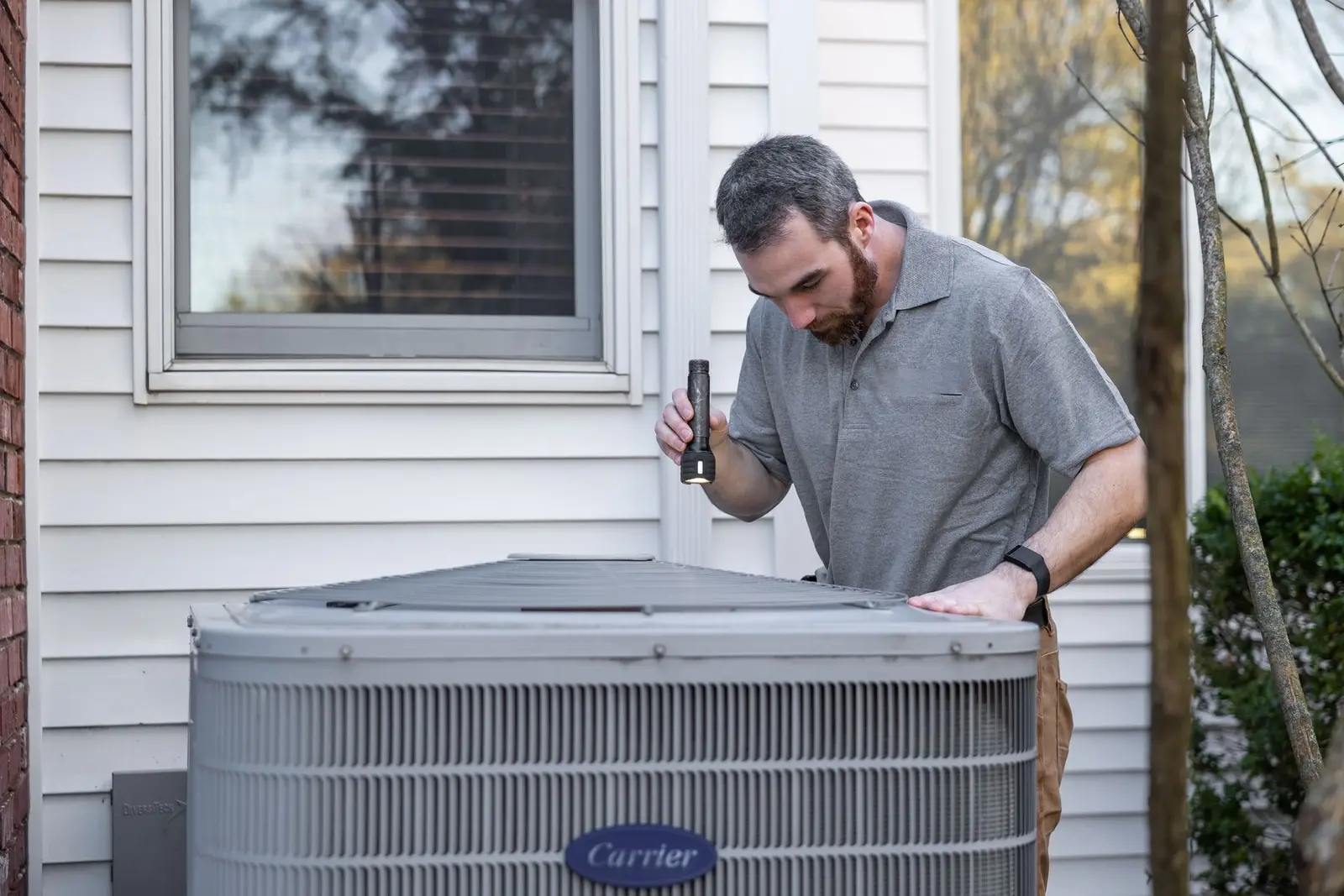
An AI receptionist for an HVAC company is software on the phone number that answers with your words, sorts no-cool from no-heat from maintenance, and then books, takes a structured message, or transfers. It is not a dispatcher. It does not diagnose a compressor, and it does not invent an arrival window because the caller is upset. The build, if you want it managed, is an AI receptionist for HVAC. The general explanation of the product is what an AI receptionist does.
This is not the comparison of voicemail, a human answering service, and an AI line. That article already exists: AI phone answering versus voicemail. Use it when you are choosing a category. Use this one when you already know you want software on an HVAC line and you need the script to match the trucks.
What the call is allowed to finish
Write the finished tasks before you write the greeting.
- Book a maintenance visit or a replacement estimate only into openings the schedule exposes.
- Take a structured message for anything that can wait: name, address, symptom, and the callback window the office will actually use.
- Transfer no-cool or no-heat calls when your policy says those wake someone, and transfer them to the number that is really on call.
- Refuse jobs you do not do: brands you will not service, commercial rooftop work if you are residential only, or a city outside the map.
If the schedule is not connected, the line must not confirm a time. "We will call you back with a window" is honest. "You are booked for 2 p.m." is a lie the moment the board disagrees. The dental version of this rule is in the dental office guide. The trades version is stricter about geography, because a dental patient comes to you and an HVAC tech goes to them.
Season, symptom, and the questions that matter
The first sorting question is the failure, not the company story. No cooling, no heat, a system that runs but does not keep up, a thermostat question, or a maintenance plan. Those five do not share a next step in July, and they do not share one in January.
Ask for the address early enough to decline a drive you will not make. In a metro like Phoenix, summer no-cool calls stack, and a script that offers every Valley city will book work the dispatcher deletes. In Denver, a hail week and a no-heat week are different boards. The script should be allowed to say "we are booked on emergency cooling today outside these cities" when that is the note on the board. A static script from April will lie in August.
Collect what the tech needs and nothing ornamental: system type if the caller knows it, whether the indoor unit is running, whether anyone smells gas, pets or gate codes if you actually use them, and the best callback number. Do not quiz a frightened caller through a sales pitch for a replacement before you know they have air.
Safety transfers are not a style choice
Gas odor and a carbon monoxide alarm are transfers, not troubleshooting. The script should use the instruction your lead tech wrote, which may be "leave the house and call the gas utility and emergency services," and then it should notify a person. It should not invent a second paragraph of mechanical advice because the caller asked "but what would you do."
Anyone who says "representative," "person," or "dispatcher" gets a person by the path you defined. If that path is a queue that is empty at night, you do not have a transfer. You have a longer voicemail. Test it after hours before you publish the number on the ads.
Maintenance-plan sales, financing, and replacement quotes do not belong in the emergency branch. A caller with no heat can hear, after they are helped, that estimates are a separate visit. They should not have to survive a pitch to get a technician.
The website and the ads have to match the script
If Google Ads for HVAC say you answer no-cool calls until 9, the script, the landing page, and the Google Business Profile have to say the same thing. A click that reaches a line still offering yesterday's policy is how the ad budget and the reviews fail together.
The pages for no-cool, no-heat, replacement, and maintenance should use the same job names the script uses. When the office pauses emergency booking because the board is full, someone has to be allowed to change the script and the page the same afternoon. That is an operations switch. It is not a software ticket you open next week.
Count missed calls before you buy coverage, using your own log. The method is in what missed calls cost. Do not borrow someone else's calculator. A quiet Tuesday is not the same loss as a missed no-cool call on a holiday weekend.
What the dispatcher still owns
The line can ask your questions. It cannot see the truck that just broke down, the part that is not on the van, or the customer who has been waiting since noon. Those exceptions stay with a person. Read a sample of calls each week: wrong city, invented time, a safety phrase that did not transfer, a maintenance caller who was treated like an emergency. Fix the script, not the customer's tone.
Price follows the script, not a generic seat. The AI Receptionist plan starts at $600 per month after a 20% launch offer (regular starting price $750 per month), plus setup. Market ranges you hear elsewhere are not our prices. The AI receptionist cost guide explains how those ranges are usually discussed. Limited-time launch offer, final quote after free strategy call.
Put the line on overflow or after hours first. Move the published number only after you have heard it book a real maintenance slot and transfer a gas-smell test you placed yourself.
What else do people ask?
Q01Can an AI receptionist diagnose why the system failed?
No. It can collect the symptom, the address, and whether the house has no cooling or no heat, using questions you wrote. The diagnosis belongs to the technician on site.
Q02Should it promise an arrival time?
Only if that time is a real opening on the board you connected. A friendly sentence that invents "someone will be there in an hour" will become the review when the truck is still across the Valley.
Q03How is this different from voicemail or a human answering service?
Voicemail stores a recording. A human answering service follows a script and may or may not book. An AI receptionist can book from a real calendar, take a structured message, or transfer, including after hours. The comparison of those three options is a separate guide.
Q04What has to transfer to a person immediately?
Gas smell, carbon monoxide alarms, and any emergency phrase you listed. Also any caller who asks for a person, and any job the script does not recognize. Do not let the line improvise safety advice.
Q05What does CodeHunterz charge?
The AI Receptionist plan starts at $600 per month after a 20% launch offer (regular starting price $750 per month), plus setup. The final script still follows your jobs, your hours, and your board. Limited-time launch offer, final quote after free strategy call.
Written for US small business owners by the CodeHunterz team. This is general information, not a promise of rankings, leads, or savings. The service behind this guide: continue to the service page.