
Industry playbooks
Salon Marketing Ideas for Independent Studios
Marketing ideas for an independent salon: the service menu, booking that uses real openings, photos of work from your chairs, and a phone that does not give chemical advice.
//CodeHunterz
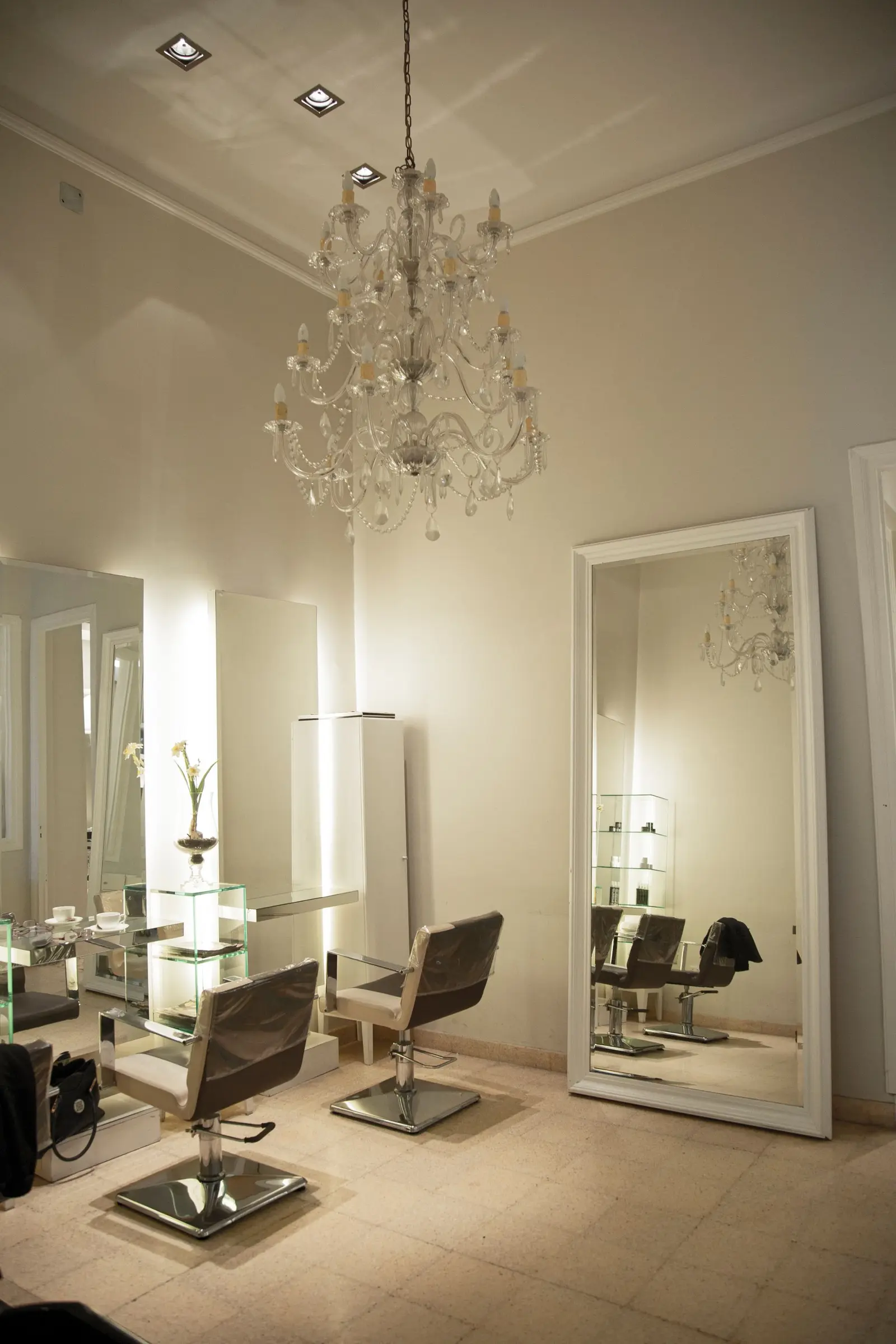
Salon marketing is the work of making the chair, the menu, and the booking path describe the same studio. A new guest usually sees a photo, a map listing, or a text from a friend, then tries to book a service with a specific stylist. Marketing helps when those surfaces agree. It hurts when the Instagram grid shows a color the salon stopped offering, or the phone offers a time the book does not have.
The hub for this work is salons. The pieces split on purpose: the website, social, and the phone. This article is the order of operations for an independent studio or a small group, not a franchise playbook and not a med spa guide. If your menu is injectables and devices, read that one. If your menu is cuts, color, and treatments a stylist performs, stay here.
None of this promises a full book. A quiet Tuesday in January is not a marketing failure by itself. The standard is whether a guest can tell what you do, who does it, and how to get a real time.
Start with the menu you still perform
Write the services down as the book uses them, not as a mood. A cut, a root retouch, a gloss, a keratin treatment, and a men's cut are different lengths and different prices. If the website lists a treatment nobody is trained to do this month, delete it before you advertise it. Guests do not experience "we used to." They experience a yes that becomes a no at the bowl.
Prices belong on the page when you will honor them. A "starting at" price is fair if the starting service is one you actually sell and the reasons a visit costs more are visible: length, thickness, a correction, an extra stylist. A teaser price for a service that always costs three times as much is how the front desk spends the greeting apologizing.
Say who performs what. A guest often wants a person, not a building. Stylist pages should name the services that person still takes and the days they work. When someone leaves, take the page down or say they have left. A booking link to a former stylist is a broken promise with your name on it.
The studio's address and hours have to match the door and the Google profile. A salon is not a service-area business with a hidden address. Guests visit you. If you also travel for weddings, say that as a separate offer with the dates you actually take, not as a second fake studio in another neighborhood.
Booking has to use the real book
The most expensive marketing problem in a salon is a time that was not real. The website button, the Instagram link, the Google profile link, and the phone should all consult the same openings. If they cannot, pick one path and make the others say "request a time." A request is honest. A confirmation for a chair that was already filled is not.
An AI receptionist fits when the desk is in the middle of a color and the phone is ringing. It can offer a listed service, with the stylist who performs it, into an opening the software exposes. It can state the late and no-show rule you already use. It cannot look at someone's hair through the phone and promise that a correction will work. It should not invent a gap in the book because the caller is persistent.
If the calendar cannot share real openings, do not describe the phone as live booking. Take a name, a service, a stylist preference, and a window. A person confirms. The comparison of software, voicemail, and a human answering service is AI phone answering versus voicemail. Use it when you are choosing the category. Use the salon page when you already know the line should talk about chairs.
Reminders, if you send them, should confirm the visit that exists. The rules for that workflow are in appointment reminder automation. A reminder is a poor place to attach a retail pitch. A guest who is already coming does not need a riddle. They need the time, the stylist, and your cancellation rule.
Photos from these chairs
The grid is the portfolio. It should be work from your stylists, with permission from the guest. Permission is a sentence you can find later, not a guess that they would have said yes. Faces, minors, and photos that show a phone number on the cape are the ones to slow down for. A guest can love the haircut and still not want the photo on an ad.
Do not borrow a manufacturer's campaign photo and imply it was your bowl. Do not keep a stylist's old portfolio on the site after they have gone to another studio. That is their work, and it is also a picture of a person you can no longer book.
Post at a pace the studio can keep. One strong set a week is a reasonable target for a single studio. It is not a law. Whether to hire someone to post depends on whether the photos already exist. Hiring someone to invent a look you do not cut is how the feed and the book diverge.
Captions should name the service and the stylist. They should not promise that the same result will appear on a different head. Hair history, previous color, and the condition of the hair change the outcome. The caption can say what was done. The stylist can say what is realistic, in person, before the service starts. A caption is a bad consult.
If you boost a post, you are buying an ad. Limit it to people you can actually book, and send them to the stylist's booking link or to a request form a person answers. Do not boost a photo of a service you are booked out of for months unless the caption says the wait. Social management pricing is where public fee ranges are discussed. A boost is spend on top of any fee, and it should be a separate line so you can turn it off.
The FTC's Endorsement Guides matter when a guest post is paid, discounted, or otherwise incentivized. A complimentary service in exchange for a post should not look like an unsponsored visit. If you do not want to manage that disclosure, do not pay for the post. Ask for a review only after a real visit, on the profile you mean, without a reward for a star count.
The site is the menu, not the feed
Instagram will not hold your prices, your hours, or your cancellation rule in a way a guest can rely on. The website should. Salon website design puts the menu, the stylists, and the booking path on a page someone can open from the sidewalk. The general list of what a small business site needs is the features guide. For a salon, the non-negotiables are narrower:
- Services with durations and prices you will honor, or a clear "priced in the consult" for the ones that truly vary.
- Stylists who still work, with the services they take.
- One address, a map, parking or transit in a sentence, and hours that match the door.
- A booking or request path that uses the real book.
- A cancellation and late policy, written before someone is standing at the desk arguing about it.
- Photos from this studio.
A page for every nearby suburb is not a growth plan. A studio in Nashville can say which neighborhoods it draws from. It should not publish a cloned page for each of them. The same is true in Miami or anywhere else. CodeHunterz does not keep a studio in those cities. The location pages are market notes for remote work. Your page is the chairs.
Retail products can have a section if you sell them and someone can explain them. A product grid that nobody at the front desk has used is clutter. Gift cards should be a real purchase path or not mentioned. A "buy a gift card" button that emails a jpeg three days later will be the review.
Reviews, referrals, and the ask
Ask after a visit you are proud of, and also after ordinary good visits. If you only ask the dramatic color corrections, the profile will not sound like the book. Do not write the guest's review for them. Do not offer a free gloss for five stars. Reply to reviews in a human voice, without arguing about a chemical result in public. If something went wrong, take it to a private conversation.
Referrals from guests are already the quiet version of this marketing. Make the ask specific: "If you know someone who wants a cut with Alicia, here is her booking link." A stack of paper cards is fine. A referral discount is fine if you honor it and you do not disguise it as an independent review.
Stylists' personal accounts are part of the studio's reputation whether you like it or not. Agree on what they may say about prices and policies. A stylist who quotes a different price in a direct message creates the front-desk argument. You do not have to control their personality. You do have to decide whether the studio's booking link is the one in the bio.
Ads, search, and the phone, in that order of honesty
Local search still matters because many guests look for "salon near me" and then check photos. The profile should use the real name, the real categories, and the real hours, including the hours you are closed on Monday if you are closed on Monday. The profile checklist is the afternoon version of that work. Do not add "best" or a neighborhood list to the business name.
Paid ads make sense when the book has openings you want to fill and the landing page is a specific stylist or a specific service. They are a weak idea when you are booked six weeks out and the ad still says "walk-ins welcome." Google Ads and Meta ads are different clocks. Search catches intent. Social catches attention. Neither one should run to a page that lists a stylist who left.
The order that usually wastes the least money is: fix the menu and the book, make sure the phone tells the truth, then add search or social spend against openings you have. Starting with spend, while three booking links disagree, buys the contradiction faster.
What it costs to have someone else do the pieces
These are separate scopes so the invoices stay readable.
- The Website plan starts at $6,000 one time after a 20% launch offer (regular starting price $7,500). The website cost guide is the market context, not that quote.
- The AI Receptionist plan starts at $600 per month after a 20% launch offer (regular starting price $750 per month), plus setup. The receptionist cost guide explains why setup is its own line.
- Growth, which can cover social management along with search and ads, starts at $2,400 per month after a 20% launch offer (regular starting price $3,000 per month). Ad spend is extra. The social pricing guide is the public range conversation.
Limited-time launch offer, final quote after free strategy call. A single-chair studio does not need all three. If missed calls are the leak, start with the phone and the booking link. If the site still shows a stylist who moved away, fix the site before you buy traffic. If the photos exist and nobody posts them, social help is the relevant line.
What to skip
Skip a content calendar full of national hashtags that have nothing to do with the chairs. Skip bought followers and bought reviews. Skip a chatbot on the site that quotes a color formula. Skip a second location page for a city where you have no chairs. Skip any campaign that promises a hair outcome to a person the stylist has not seen.
Keep a short list instead. The menu matches the book. The photos are yours. The phone offers real times or admits that it is taking a request. The hours on the door, the profile, and the site are the same hours. That list is not glamorous. It is the marketing that still works on a Saturday when the front desk is three deep and the phone rings.
What else do people ask?
Q01Should a salon post every haircut?
Post work you have permission to show, from stylists who still work there, at a pace you can keep. A daily quota produces stock photos and old color. A quieter feed of real chairs is more believable.
Q02Can the front desk, or an AI receptionist, recommend a chemical service?
It can book a service you listed, into a real opening, with the stylist who performs it. It should not promise a color result, a correction, or anything that depends on hair history it does not have. Those conversations belong with the stylist.
Q03Is a salon the same marketing problem as a med spa?
No. A med spa menu often involves treatments with clinical claims and a different set of advertising limits. Keep the salon page about cuts, color, and the booking book. If you also offer medical treatments, that is a separate offer with its own rules.
Q04Do suburb pages help a single-studio salon?
No. One studio has one address, one set of hours, and one booking link. Name the neighborhoods you actually draw from in a sentence. Do not publish a cloned page per suburb.
Q05What does CodeHunterz charge to run this?
The pieces are scoped separately. Growth, which can include social management, starts at $2,400 per month after a 20% launch offer (regular starting price $3,000). The AI Receptionist plan starts at $600 per month after the same offer, plus setup. The Website plan starts at $6,000 one time after the offer. Limited-time launch offer, final quote after free strategy call.
Written for US small business owners by the CodeHunterz team. This is general information, not a promise of rankings, leads, or savings. The service behind this guide: continue to the service page.