
Industry playbooks
Med Spa Marketing Ideas That Match the Menu
Med spa marketing works when the menu, the photos, the ads, and the phone all describe treatments you actually perform, with consent for any before-and-after and no promised result.
//CodeHunterz
Med spa marketing is the work of making a real treatment menu easy to understand, easy to trust, and easy to book, without implying a medical result the consult has not earned. The visitor might be comparing a facial, a laser, or an injectable. Those are not one mood, and they are not one ad. The industry hub is med spas. The pages they land on are med spa website design. Search, if you are investing there, is SEO for med spas.
This is the same spirit as dental marketing ideas: fix the profile, the phone, and the truth of the offer before you buy attention. It is not the same business. A dental office and a med spa do not share clinical scope, and a salon coupon strategy will undersell the risk your patients are taking on.
Say what you do, and who does it
The menu is the marketing. List the treatments you perform now, in words a person would type, and say which ones need a consult before they can be booked. If a treatment is medical, say that a licensed person is involved, and name the role your counsel is comfortable publishing. If a treatment is a facial or a peel your aestheticians perform, do not dress it in clinical language it has not earned, and do not bury a medical treatment in a spa adjective.
Each treatment that you want to be found for deserves its own page: what it is, who it is for, who it is not for if you have a real exclusion, what the consult decides, and how to ask for that consult. A single page titled "services" that lists thirty items in one block is a menu. It is a weak answer for someone who searched one treatment.
Prices, if you publish them, have to be prices the front desk will quote. Many med spas should publish a starting point only where the visit is standardized, and should refuse to publish a package total for a plan nobody has made. "Starting at" language that the desk immediately abandons is how trust dies in the first minute. Memberships and packages belong on the site only while they are current.
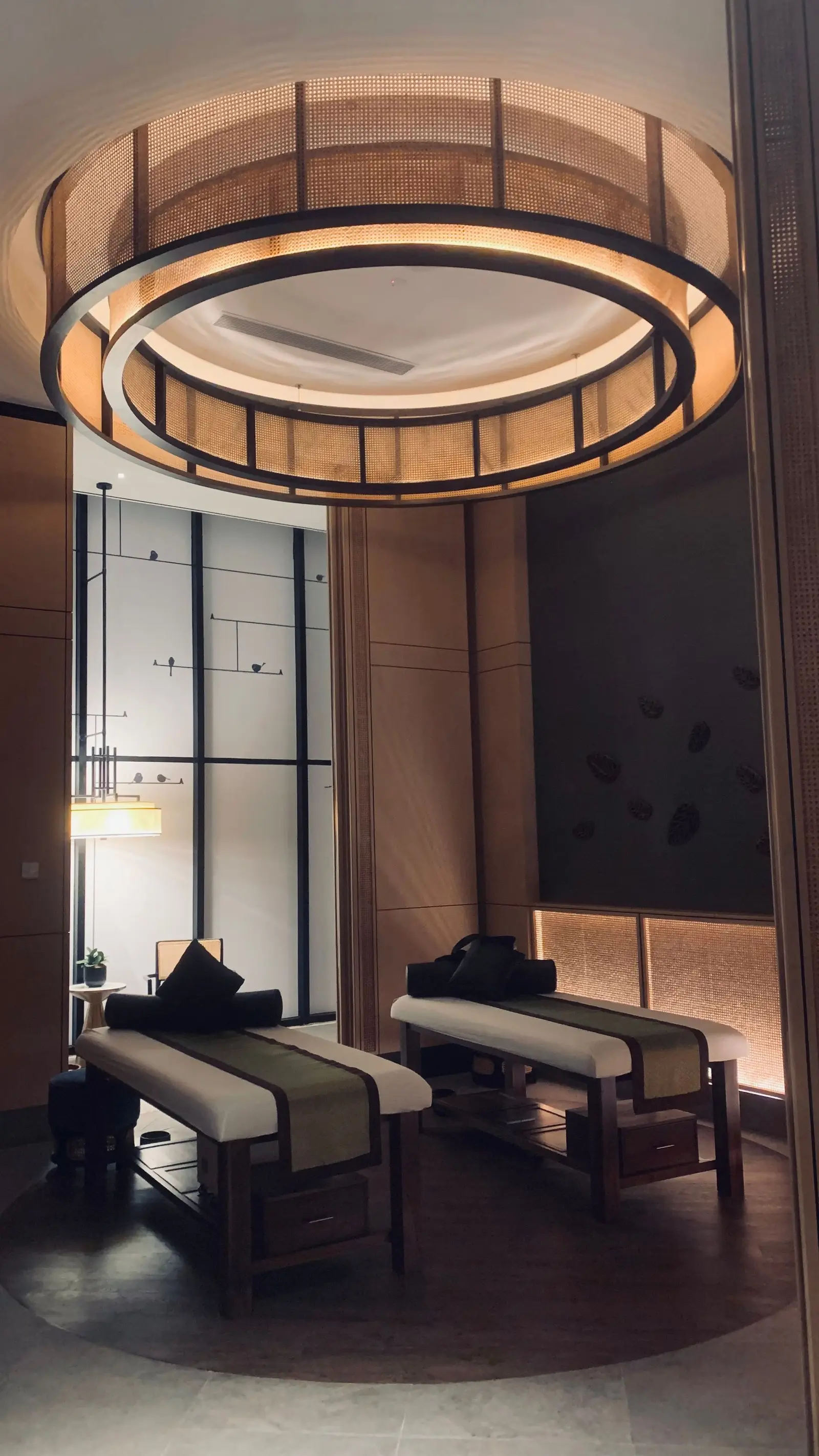
Photos of the studio, the rooms, and the people who work there do more than a stock spa with stones on a towel. Before-and-after photos are a consent and advertising question. Get permission that covers the place you will show the picture, including ads. Do not crop a result into a promise. Your counsel, and the current rules of whatever ad platform you use, own whether that image can run. This article will not pretend to clear it.
The profile and the phone
The Google Business Profile should show the real studio name, the real hours, the treatments you want calls for, and photos of this location. Categories should match the work. A profile that claims every adjacent specialty because the form allowed it will attract consults you cannot perform. Hours have to include the days a provider is actually in. A Tuesday ad that rings into a dark studio is a review waiting to happen.
Reviews should come from real visits. Ask after the appointment. Do not pay, discount, or gift in exchange for the review. Do not script a clinical claim into the request. Reply like a person, and do not discuss a treatment detail the reviewer did not already say in public.
The phone and the online book have to agree. If the book shows openings the providers cannot keep, close those openings. If the phone is at the front desk during a treatment, you need coverage for the calls your ads and your profile are buying. An AI receptionist for a med spa can book from the visit types you listed and hand off anything clinical. It should not recommend a dose, a device, or a result. Software is coverage. It is not a provider.
What to post, and where
Social feeds reward the studio you actually run: a room, a provider people will meet, a plain explanation of what a consult includes, a seasonal hour change. They do not require a daily reel. A small team can run a short week if someone is allowed to approve the post. The decision of whether to hire for that is should you hire a social media manager. The industry version of the posting work is social media for med spas.
Stop posting anything you would not say at the consult: guaranteed results, fear about aging, and other people's before-and-after photos. A visitor economy changes the mix in some cities. In Nashville, a studio may see both local patients and people in town for a weekend. The offer still has to be a treatment you can do this week, not a tourism ad that the book cannot absorb. Say which location they are booking. A weekend visitor who needed a consult you do not staff on Saturday should have learned that from the post.
Paid social, on Facebook and Instagram, reaches people who were not searching. It fits a visual offer when the photo is the real studio and the landing page finishes the sentence. The general version is Meta ads for local businesses. It is a weak substitute for search when someone already knows the treatment they want. Search and social can run together. They are not the same invoice, and ad spend is paid to the platform, not to the agency fee.
Search, ads, and one studio
People search the treatment plus the city, or the treatment plus "near me." The page that answers should be the treatment page for the studio they can visit. A second location gets its own page because the door, the hours, and often the providers differ. A page for every suburb that repeats the menu is a doorway grid. Do not buy one.
If you run Google Ads, split treatments that have different consults. Do not send an injectable search to a generic facial page. Read the healthcare and cosmetic advertising policies that apply this month, and have counsel look at claims before they run. We will not list a policy clause here as if it were stable forever. The safe pattern is the same as the site: name the treatment, name the studio, invite a consult, and do not promise a result.
The SEO pricing guide and the Google Ads management pricing guide describe market fees. They are not a CodeHunterz quote. Growth starts at $2,400 per month after a 20% launch offer (regular starting price $3,000 per month). Ad spend is separate. Limited-time launch offer, final quote after free strategy call.
A sequence that does not skip the desk
Week one: the profile, the hours, the menu, and the booking path. Confirm a test consult can be requested and that a person sees it.
Weeks two to six: one page per treatment you want the phone to ring for, with photos you have rights to use. Remove treatments you no longer offer.
Then, and only then, a small paid test or a steadier social week, judged by consults you can trace. Likes are not a book. A full book of the wrong treatment is not a win either. Marketing that matches the menu is the whole idea.
What else do people ask?
Q01What should a med spa fix before it buys ads?
The treatment menu, the hours, the Google Business Profile, and a phone or booking path that can take a consult. Ads that point at a vague homepage buy curiosity the front desk cannot finish.
Q02Can we post before-and-after photos?
Only with the patient's permission for that use, and only if your counsel and the ad platform's current policy allow the claim those photos imply. A result on one person is not a promise to the next person.
Q03Is a med spa the same marketing problem as a salon?
No. A haircut and an injectable are not the same risk, the same search, or the same advertising rules. The site should say who performs the treatment and what a consult is for. It should not sound like a coupon for a blowout.
Q04Do city pages help a single studio?
Not if they only swap the city name. Publish the real studio. A second location with its own door, hours, and phone can have its own page.
Q05Will marketing guarantee booked treatments?
No. Clear offers and a staffed phone make a booking possible. They do not promise a full book or a clinical outcome. Measure consults you can trace, not likes.
Written for US small business owners by the CodeHunterz team. This is general information, not a promise of rankings, leads, or savings. The service behind this guide: continue to the service page.