
Salons / AI receptionist
AI receptionist and booking assistant for salons
A color service runs on a timer. Foils are on, the stylist is mid-application, and leaving the client to book a stranger means someone sits with product on their head. An AI receptionist for a salon is a booking assistant for that gap: it offers a real opening or takes a request, and it repeats the late-cancel rule you already use.
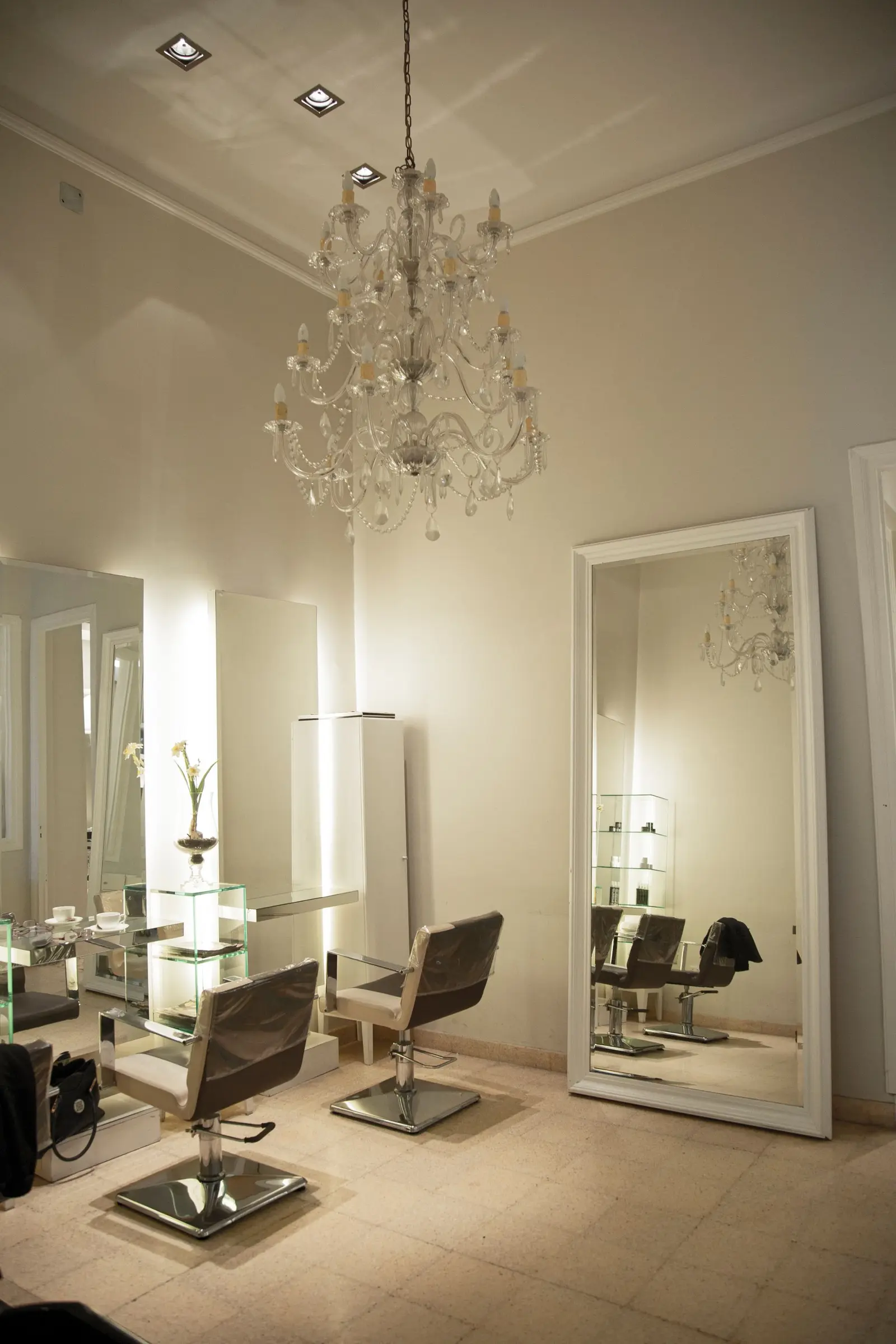
The stylist cannot leave a color client
The calls arrive while the work is least interruptible. A single-process color, a highlight, or an extension install has a stretch where the stylist has to stay with the guest in the chair. If the front desk is one person, that person is often at the register or mixing the next bowl. A guest who wants a Saturday cut and hears voicemail will try the next salon that picks up.
The book can look full from the sidewalk and still hold gaps a stylist would take. A fringe trim, a gloss, or a blowout can fit a hole that a color correction cannot. The assistant has to tell those apart from the service menu you maintain, including how long each service blocks the chair. A guess that hair takes an hour will double-book the color room.
The same line rings after you lock the door. People book when they leave their own shift, which is when your team is cleaning bowls. After-hours answering helps only when it uses the same menu, the same stylists, and the same cancellation rule the desk uses at noon. A looser script at night creates the appointment the morning desk has to unwind.
Book a real opening, or collect a request
Live booking is allowed when the salon software exposes openings that can be read and written safely. Boulevard, Vagaro, Fresha, GlossGenius, Mangomint, and Square Appointments are common names, and none of them is a promise of a connector. We check the product you actually use before a guest is told they have a chair. If the book cannot be shared, the assistant collects the service, the stylist preference, a time window, and a callback number, and a person confirms.
The menu is the boundary of what can be booked. Cut, color, gloss, blowout, treatment, and extensions belong on the call only if you offer them, and only for the duration you set. A new guest and a request for a named stylist are different searches. If that stylist has no opening in the window, the assistant says so and offers another stylist only when you allow it.
Retail questions can ride along with a booking. The assistant may name a product you sell and the shelf price on the list you update, and it may say the desk will confirm stock when the register does not expose a count. It may not match a product to a hair problem. A second language belongs in the greeting only when staff can finish that conversation if the call has to be handed off.
- Services limited to the menu you maintain, with your durations
- A named stylist or first available, using that column of the book
- Openings the software exposes, and no invented chair times
- A request plus a callback when the book cannot be written live
- Retail answers limited to products and shelf prices on your list
- A second language only when your staff can carry the handoff
What the assistant is not allowed to say
Chemical and medical questions get a refusal. The assistant does not recommend a developer volume, a lift, or a formula, and it does not tell a caller which treatment will stop breakage. Scalp pain, swelling, a suspected reaction, and questions about color during pregnancy go to a person or to the urgent instruction you wrote. Hair advice that sounds clinical is outside the job, even when the caller asks with confidence.
Money and policy are easy to invent, so they are written down. The assistant does not waive a no-show fee, quote a color correction at a round number you never published, or promise a senior stylist at a junior price. It does not say the salon can squeeze someone in when the book is closed. If they ask for a service you dropped, the answer is that you do not offer it.
Language is a staffing fact, not a courtesy guess. A greeting that offers another language is allowed when someone at the salon can take the handoff. A machine translation of your color menu is not that person. The refusal rules, the cancellation window, and the service names have to be written in each language you support, by someone who can read them.
- Formula, volume, or a promise to fix damaged hair
- Medical, allergy, or pregnancy advice of any kind
- A language you do not staff
- A retail product described as a cure
- A waived fee or a discount that is not on the current sheet
- Any chair time that is not an opening on the book
No-shows, reminder texts, and after close
Late-cancel and no-show rules should be spoken the way the desk already speaks them. Use your window, not a borrowed default, and say the fee only if you want that number said out loud. If you keep a card on file, the assistant can explain that requirement before it confirms a new guest. It cannot negotiate the fee because the caller had traffic, though a person at the salon can make an exception later.
Reminder texts go out only with consent. That means a clear yes on the booking call, or a consent flag you already store, not a vendor switch that enrolls the whole book. The text should name the service, the stylist, the time, and the cancel window. Guests who decline texts still keep the appointment, and the desk uses whatever other confirmation you already use.
Callers at night can book into openings the software still shows if you want unattended booking, and otherwise the assistant takes a request for the morning desk to confirm. On price, the usual shape in the US market for AI phone tools is a setup cost plus a monthly plan. That describes the market, and it is not a CodeHunterz fee. We quote after the book, the hours, and the handoffs are known.
An example week, not a case study
The week below is a worked example, not a client, a testimonial, or a count of bookings anyone is claiming. Picture a six-chair salon open Tuesday through Saturday. The desk answers when someone is free. During color applications and after close, the line moves to the assistant.
On Tuesday a caller wants a partial highlight with a named stylist. The Thursday gap is long enough, so the assistant books it, repeats the late-cancel window, and asks before sending a reminder text. The next caller reports a burning scalp after color done elsewhere, so the assistant does not suggest a product and flags the owner with the urgent note. A third caller asks for a service the salon does not offer, and the assistant says so and stops.
Thursday after close, three people want Saturday: two match real openings and are booked, and the third wants a stylist who is off, so the assistant offers only the alternatives you allowed or stores a request. Friday a late cancel is handled with the written fee, not a pardon. Saturday morning the owner reads bookings, requests, the scalp note, and one retail answer that stopped at a shelf price. That list is an example of the work, not a result.
What do owners in this industry ask?
Q01Can it book into Vagaro, Boulevard, Fresha, or Square Appointments?
Only if that product exposes openings we can read and write without breaking the book. We test the account before we promise live booking. If the connection is missing or read-only, the assistant collects a request and the desk confirms. A logo on a vendor slide is not the test.
Q02What if a guest asks for chemical or medical advice?
The assistant refuses and follows the handoff you approved. It does not recommend a formula, a volume, or a product to fix damage, and it does not answer pregnancy or allergy questions. Those calls become a note to a person, or the urgent instruction you wrote. The menu is a list of services you perform, not a source of advice.
Q03Will it text reminders to every client?
No. A reminder text goes out when the guest agrees on the call or when your records already show consent. A default campaign for the whole book is a separate decision and not part of this flow. Guests who decline texts still keep the appointment. The message names the visit and your cancel window, not a surprise promotion.
Q04Can the receptionist speak a second language?
Yes, if the salon serves guests in that language and a person on staff can take the handoff. We do not assume a language from the type of business. The fees, the refusals, and the service names have to be written for each language you support. A raw translation of a color menu is not a bilingual desk.
Q05How much does a salon AI receptionist cost?
In the US market, AI phone tools are often priced as a setup plus a monthly plan. That pattern is not a CodeHunterz fee and not a quote. We price a salon after we know the software, the hours, and whether the book can be written live. A minute bundle from a software vendor is a different product from a script built around your menu.