
Websites
Auto Repair Shop Website Design
What an auto repair website needs so a driver can see the work you still do, how an estimate is approved, and how to reach a person. No stock bay, no invented repair result.
//CodeHunterz
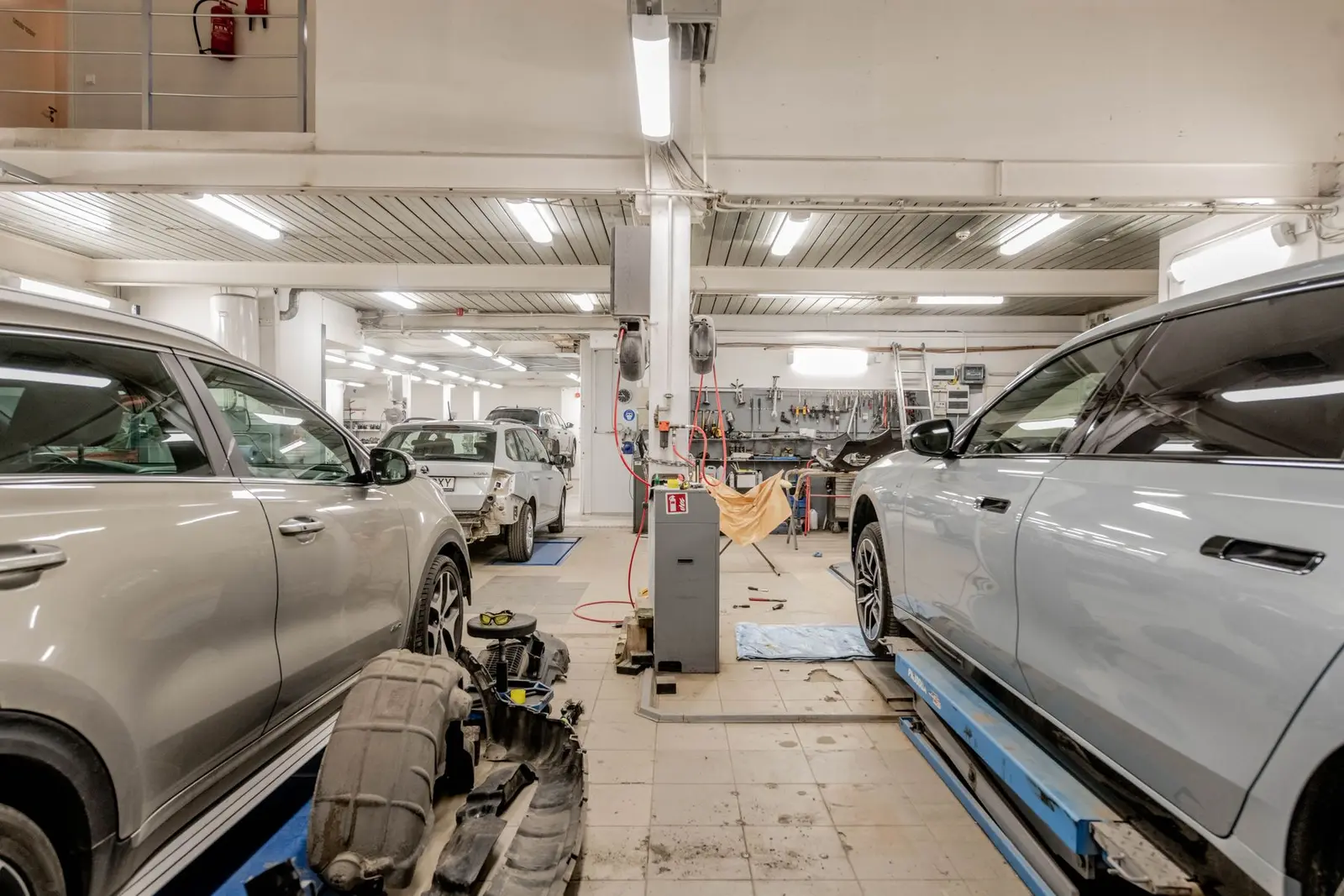
Auto repair website design is the public explanation of one shop: the work you still do, the hours a person answers, the way an estimate gets approved, and the path for a driver who is stuck tonight versus a driver who can wait until Thursday. It is not a stock photo of a lift with your city typed on it. The build, if you want it scoped, is auto repair website design. The general feature list for any small business is the 15 features guide. Use that for the shared pieces. Use this for the bay.
A shop in Columbus and a shop in another city do not need different slogans. They need the true address, the true hours, and a plain account of which cars and which jobs you will take. CodeHunterz does not keep a Columbus office. The city page describes the market. Your page describes the shop.
The two drivers who land on the site
One driver has a car that will not start, or a warning light, or a noise they are afraid to drive on. They are on a phone, in a lot or on the shoulder. They need to know, in one screen, whether you can help tonight and which number reaches a person. The other driver wants brakes, an inspection, or a second opinion next week, and they will compare two sites in the morning. Those people should not share a single hero that says "honest and affordable" and then hides the phone number under a slider.
Write the first screen for the urgent driver and give the planner a clear second step. Urgent: what you can do today, the number, and whether you offer a tow or a roadside call at all. Planner: the services, how drop-off works, and how an estimate comes back. If you do not offer roadside help, say so. Sending a stranded driver to a number that only books oil changes is how reviews get written.
The mobile checklist is the test. Open the page on a phone in a sunny parking lot, not on the office wifi. If the number is not tappable, the design is not done.
Services you still perform
List the work the bays actually do this month. Brakes, diagnostics, maintenance, tires, fleet accounts, and state inspections are different promises. A page should exist only when an advisor can explain the job without inventing a price. A grid of every make and model is not a service list. It is a guess that someone will search "2014 alternator" and forgive a thin page. They might search it. They will not forgive a page that does not say whether you work on that car.
Say what you will not take. Diesel, European makes, body work, or cars under a lift height you cannot clear are kindnesses when they are written down. A driver who learns the limit on the site calls a different shop. A driver who learns it in the lot has already used the tow.
Estimates, approvals, and the diagnostic fee
Describe the sequence you already use.
- The driver tells you the symptom, not a diagnosis they found in a forum.
- You inspect. If you charge to diagnose, the number is on the page before they hand over the keys.
- You send an estimate the driver can approve before parts are ordered. Say how that approval happens: a call, a text, a written form. Do not imply a text if you only call.
- You do not start extra work because the car is already in the air, unless the driver approved it.
If the sequence on the site is cleaner than the sequence in the shop, fix the shop or soften the page. The site is not a place to debut a policy the advisors do not follow. A posted diagnostic fee that advisors waive "depending on the customer" will read as bait the first time someone is charged.
Do not publish a brake price, a "starting at" teaser, or a coupon you will not honor on the car that shows up. A menu of common jobs with ranges is fair only when the range is one you have actually charged and you are willing to explain why a car falls at the top of it. Most shops are better off explaining the estimate path than pretending the car is a commodity.
Hours, drop-off, shuttle, and loaner cars
Hours are the hours a person is present, not the hours the sign used to say. Early drop-off is a feature only if someone receives the car and the keys are handled the way you claim. A lockbox is fine if you describe the lockbox. It is not fine if the page says "greeted by an advisor."
Shuttle, ride-hail reimbursement, and loaner cars are three different offers. Name the one you have. A loaner that exists only when a specific car is free should not be a button. Say "ask, we sometimes have a loaner" if that is the truth. After-hours drop needs a written rule for where the key goes and when the car is in your possession. That sentence prevents a Monday argument.
Fleet and retail do not belong in one paragraph. A fleet buyer wants an account, a point of contact, and how approvals work. A retail driver wants the symptom and the clock. Give them different sections. If fleet is three vehicles for a friend, you do not have a fleet program, and the site should not say you do.
The shop is a place, until it is not
Most repair shops have a garage customers can visit. Show the address, a photo of this building, and the hours. The photo should be the lot and the door a driver will recognize, not a stock bay from another state. If you also go to the customer for a jump, a tire, or a mobile diagnostic, say that as a second offer with the area you actually cover.
Google's Business Profile policies describe hybrid businesses in those terms: a shop that repairs cars at the garage and also offers roadside service can show the storefront address and set a service area. A business that does not serve customers at the address should not pretend the address is a counter. The listing rules are covered in SEO for service-area businesses. The website's job is to match whatever you told Google. If the footer says one town and the profile says another, fix the one that is wrong. Do not add a third.
A page for every suburb you will drive a wrecker through is not a service area. Name the area in sentences. Fort Worth and Dallas are different drives. If you will not cross from one to the other, the site should say so. CodeHunterz does not keep an office in either city. The location pages are market context, not a claim that your shop has a second lobby.
Trust, without a fake trophy
Drivers look for a reason to hand over the keys. Use reasons you can point at.
- The licenses and insurance you actually hold, named plainly. Do not invent a certification badge.
- The advisors' first names, if they are willing to be on the site. A rotating cast of stock portraits is obvious.
- Photos of this shop. Faces need permission. License plates in the lot should be considered before you publish the frame.
- A written warranty you already give, with the limits. "Lifetime" means nothing if you will not say whose lifetime and which parts.
Reviews belong on the profile customers already use, written by customers. Do not build a testimonial block out of sentences you wrote. The signs a site is losing people include this kind of decoration. A shop that has real reviews does not need invented ones. A shop that has few reviews needs more finished jobs and a simple ask, not a fake quote with a first name and a city.
The Department of Justice's guidance on web accessibility and the ADA explains that businesses open to the public have obligations that reach the goods and services they offer online, and it gives examples: text alternatives for images, captions, form labels, and keyboard use. The guidance is not a private legal opinion about your shop, and it says DOJ has not set a single detailed technical regulation for every business site. It is still the right reason to label the phone field, to describe the photo of the building, and to make the estimate form usable without a mouse. An overlay that promises to "fix" the site is not a substitute for those basics. The free website audit can tell you whether a public URL returned titles, alt text, and structured data. It does not certify accessibility, and it does not rank you.
The phone and the form have to be the same shop
An AI receptionist for an auto shop can answer when the advisors are in the bay, if the script knows the jobs you take and does not diagnose the car. Diagnosis is the inspection. The phone can collect the symptom, the year and make if you want them, and whether the car is safe to drive. It should not name the failed part.
If you are not ready for that, a person and a short form are enough. The form should ask for a callback number, the symptom, and whether this is a tow or a scheduled visit. It should not ask for a VIN on the first screen unless you truly need it before you will talk. It should say when someone will reply. "Within 15 minutes" is allowed only when someone will actually do that on a Saturday, because Saturday is when the form gets used.
Status updates, if you offer them, have to come from the board. A page that says "track your repair" and then shows nothing is a broken promise. A text from the advisor when the estimate is ready is a simpler version of the same idea, and it only works if the advisor sends it. Automation can help later. It cannot invent the status.
What the build should include, and what it should not
A first version that a shop can live with usually includes:
- A homepage that states the work, the area, and the phone.
- A services section with pages only for jobs you want.
- An estimates and approvals section in the shop's real sequence.
- Hours, drop-off, and whatever shuttle or loaner policy is true.
- A contact path a phone can finish, plus the address and a map that matches the door.
- The footer facts: name, address, phone, and hours, identical to the Google profile.
It does not need a blog about every dashboard light, a chat widget that invents prices, or a customer portal you will not staff. Technical checks such as HTTPS, a title, and a canonical still matter. They are not a substitute for the phone number. Core Web Vitals describe loading and layout on real visits. A fast page that hides the hours is still a bad shop site.
Photos, copy, and the advisor's review of the estimate language are part of the work. A theme installed over a weekend is not. If the current site is a template from a directory, with hours from a previous owner, read the redesign signs before you add pages to it.
Price, without a fictional package
Public ranges for small business sites are collected in the website cost guide. They are not a CodeHunterz quote. The Website plan starts at $6,000 one time after a 20% launch offer (regular starting price $7,500). The written quote names the pages, the forms, and whether anyone is moving the old URLs. A shop with one location and a short service list is a different scope from a multi-bay operation that needs fleet pages and a real appointment connection. Limited-time launch offer, final quote after free strategy call.
Search and ads are separate lines. Local SEO pricing and the shop's Google profile are not included because a page exists. If you buy clicks before the estimate policy is on the page, you will pay to explain it over the phone anyway.
The test of the design is ordinary. A driver who has never been to the shop can say what you do, what you do not do, what it costs to find out, and how to reach a person. If they can, the site is doing the job. If they cannot, another badge on the homepage will not fix it.
What else do people ask?
Q01Should every service be its own page?
Give a page to work you want to be hired for and can explain in plain language: brakes, diagnostics, fleet, or state inspections if you actually perform them. Do not create a page per car model you have never had in the bay.
Q02Can the site quote a price?
Only for a number you will honor, such as a posted diagnostic fee or a shop supply policy you already use. A brake job price that depends on the car should be described as an estimate after inspection, not as a teaser.
Q03Do we need online booking?
Only if the book the advisors use can expose a real bay or a real drop-off window. A form that says "booked" when nobody has seen the request will train people to call anyway, angrier.
Q04What about roadside service and the shop address?
If customers can visit the garage, show that address and the hours a person is there. If you also go to them, say so as a separate offer. Google treats a hybrid business differently from a shop with no storefront. The service-area guide covers the listing. The website should match it.
Q05What does a shop site cost?
The CodeHunterz Website plan starts at $6,000 one time after a 20% launch offer (regular starting price $7,500). The written quote names the pages. Market ranges are discussed in the website cost guide. Limited-time launch offer, final quote after free strategy call.
Written for US small business owners by the CodeHunterz team. This is general information, not a promise of rankings, leads, or savings. The service behind this guide: continue to the service page.