
Restaurants / Social media
Social media for restaurants with a real kitchen
A restaurant feed should look like the week you actually run. Prep, a dish you are proud of, a special the line can fire, and a way to book a table. It should not look like a content mill that needs a post before it knows what the kitchen is doing. We do not promise covers. We post what you can serve, with photos you have the right to use.
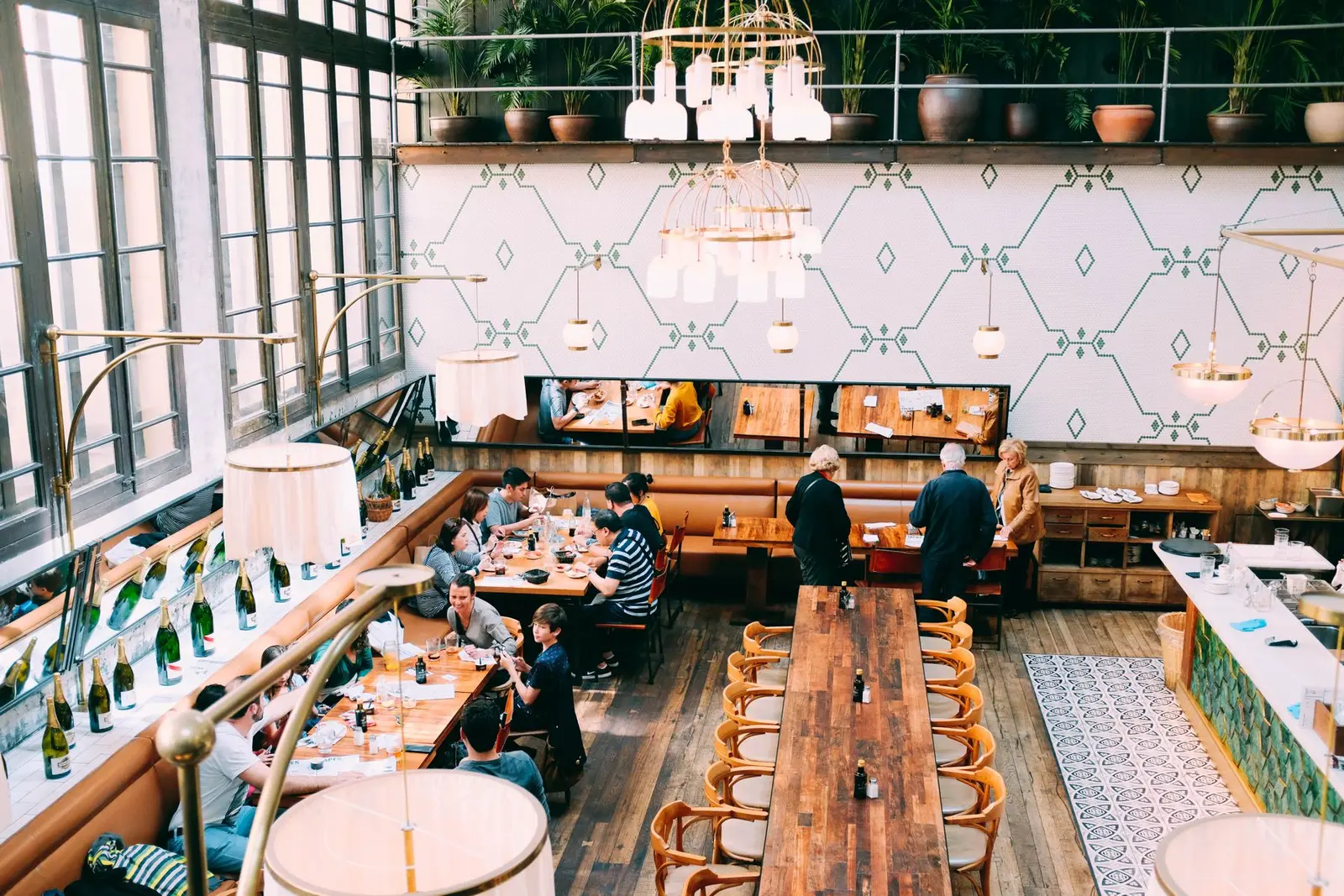
What to post in a week you actually work
A useful week has a rhythm that matches service, not a content calendar invented in a template. Early week can show prep, a producer, or a dish that is calm to photograph before the rush. Midweek can name a slow service you would like to fill, if the dining room can take the covers. The weekend can show the room as it is, including the dish that is selling, not a dish you photographed in March and are tired of explaining.
The posts that age well are specific. The name of the dish, what is in season, a constraint a guest cares about if it is true (vegetarian, a gluten free option you can actually do), and the neighborhood. "Come hungry" is not a post. A photo of the pass at 6 p.m. with one true sentence is a post. Hours and the closure you forgot to mention are also posts, and they prevent the bad review from a guest who drove over on your dark Monday.
Stories and short video fit the same rule. A 15 second clip of a pasta being finished is enough if it is yours. A trending audio clip with no picture of the restaurant is a bid for reach that does not help the host stand. We will talk about what the team can film during a real shift, including who is allowed to have a phone out on the line.
Specials have to match the kitchen
A special is a promise to the next guest who saw it. If the kitchen can fire twelve of them, do not announce it as if the dining room will sell forty. If it is gone by 7, the post comes down or the story gets a sold out frame. Leaving a sold out special up so the grid looks full is how you train guests not to believe you. The person who manages the account needs a same day line to the chef, not a monthly theme deck.
Price, if you post it, has to be the price on the check. A "from" price that hides the real plate is a small deception that regulars notice. So is a photo of a composed dish and a plate that arrives simpler because the garnish was for the camera. We would rather post the plate you serve. Consistency is the brand. Styling that the line cannot repeat is a complaint waiting for a table.
An example, labelled as an example: Tuesday the account posts the roasted fish because that delivery landed and the station can handle it, Wednesday it posts hours because of a private buyout at 8, and Friday it does not post a brunch item because brunch is already at capacity. That week will not look like a brand campaign. It will look like a restaurant. It is an example of editorial judgment, not a claim about reservations.
This is not a content mill
A mill measures posts. A restaurant account should measure whether the post was true and whether a guest could act on it. We will not commit to a number of pieces that forces filler: quote graphics, stock pasta, "tag a friend who needs this". Those fill a grid and teach the algorithm nothing useful about your dining room. A quieter week of real plates beats a loud week of assets nobody in the building recognizes.
Comments and messages are part of the work. A question about allergens, a private dining inquiry, and a complaint about a wait are not engagement to be batched next Friday. We agree who answers, how fast, and what gets handed to a manager. A witty reply to an allergy question is the wrong tone. The right tone is the one your chef would use if they were standing there.
We also will not run the account as a series of trends with your logo pasted on. If a format fits a dish you have this week, we can use it. If it needs a skit the servers do not have time to shoot, we skip it. The constraint is the shift. The content is downstream of the constraint.
- A weekly check with the kitchen before specials are promised
- Sold out items updated or removed the same service
- Fewer true posts rather than a quota of filler
- Messages about allergens and complaints routed to a manager
- No stock food presented as tonight's plate
Photo rights, staff, and guests
If a photographer shot the menu, the restaurant needs the right to post those frames, not just the right to print them on a menu. That right should be in the agreement before we build a month of posts on a folder we do not own. User generated photos from guests need a yes before you repost a face or a table. A tagged photo is not automatically a license.
Staff appear in a lot of the best frames. They should know when the phone is out and have a real choice about being in the shot, especially in a close crop a future employer will find. Minors in the dining room are not content. We do not build posts around children because a birthday candle looks warm. The background of a busy room needs the same care: crop strangers who did not agree to be advertising.
Music on video has its own problem. A clip filmed in the dining room with a licensed playlist in the background can still be the wrong track to publish on a platform. We use audio you have the right to publish, or we use the platform's library inside its rules. A takedown over a song is an avoidable way to lose a week.
The reservation link has to work
Every post that asks someone to come in should land on a way to do that. A reservation link, a phone number the host answers, or a walk in policy written in one sentence. The link in the bio that goes to a dead page, an old booking vendor, or the homepage with no button is a small operational failure that makes the whole feed decorative. We test the link the way a guest will: on a phone, at the hour you are closed, when the host is not there to explain.
If you use a reservation product, the post should not invent availability. "Book the chef's counter tonight" is only fair if the counter is open in the system. Large parties, buyouts, and the bar seats that cannot be reserved online need their own sentence so people stop arriving with expectations the host has to unwind. The website and the profile hours have to match the book.
Social is not the only way a table gets filled, and we will not pretend a month of posts is a forecast of covers. Search, the map listing, and the front door still do their jobs. What we will do is keep the public feed honest, tied to the kitchen, and pointed at a booking path that works. If the photos are the gap, we will say you need a shoot, not another caption.
What do owners in this industry ask?
Q01What should a restaurant post in a normal week?
Dishes you are actually serving, specials the line can fire, hour changes, and the occasional look at prep or the room. The mix follows service. A dark Monday or a sold out Friday is worth saying. Generic food quotes are not a week of content.
Q02What if a special sells out?
Update the post or mark it sold out the same service. A special is a promise to the next guest who saw it. We set a same day line to the kitchen before we announce quantities you cannot cook.
Q03How many posts will you publish?
As many as the week can support with true photos and a reason. We do not run a mill that hits a quota with stock images and tag a friend graphics. A quiet accurate week is better than a loud false one.
Q04Can we repost a guest photo?
After they say yes. A tag is not a license to use their face in your advertising. Staff need the same choice. We do not feature children. Photographer agreements need to include social use, not only print.
Q05Will social media fill the dining room?
We will not promise covers. We will keep posts true to the kitchen and point them at a reservation link or phone number that works on a guest's phone. Bookings still depend on the food, the hours, and the host stand.