
Restaurants / Google Ads
Google Ads for restaurants
Last updated /CodeHunterz Team
Google Ads for restaurants make sense when someone nearby is deciding where to eat and your room can take them. They make less sense as a national brand campaign for a single address, and they make no sense on recipe queries, job searches, and "restaurants near me" with no cuisine if you cannot tell a useful click from a curious one.
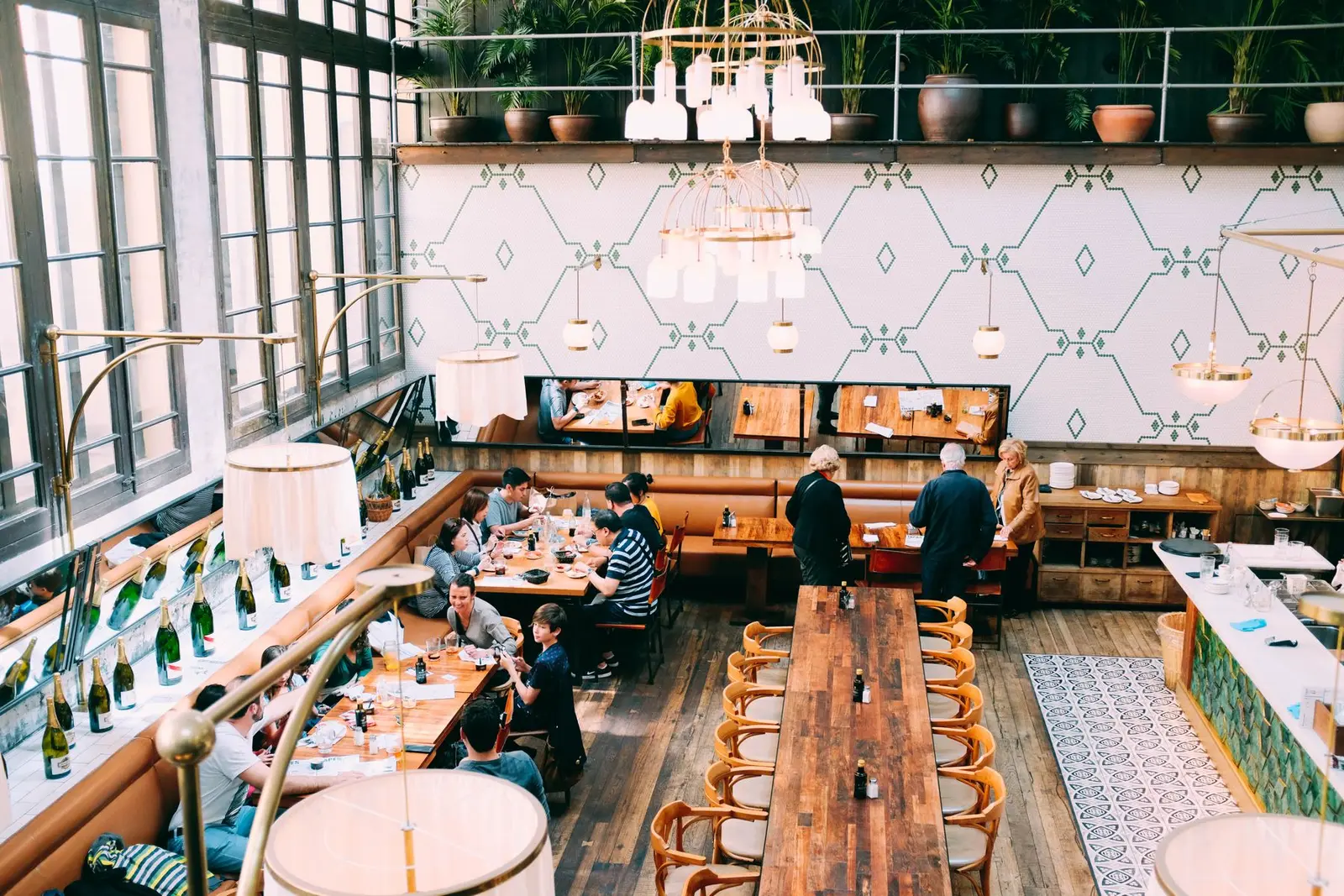
The room, the cuisine, and the hours
A useful restaurant query names a cuisine, a meal, or the neighborhood of a real dining room. The ad should name those same things and open a page that shows the address, today's hours, and how to get a table or an order. "Best restaurant" is a vague auction. A specific kitchen, in the place it occupies, is a campaign you can staff. If you have one room, do not buy every neighborhood in the metro. Guests who will not travel that far are a click you paid to disappoint. A second room can have its own campaigns when the menu or the hours differ.
Hours are part of the ad schedule. If the kitchen stops seating at 9, the ads should not promise a 10 p.m. table, and they should not keep a lunch budget on a day you are dark. A holiday closure has to hit the ad, the page, and the Google Business Profile before the first guest drives over. Private events and catering, if you sell them, are a separate campaign with a page about buyouts, not a sitelink buried under the dinner ad.
Delivery and dine-in should not share one muddy call to action. If a marketplace runs the courier, the ad can point at that system and should say so. If you only do dine-in, do not buy delivery queries. Reservation links have to be the book the host uses. A button that says booked, when the guest is only in a request pile, is how a Friday night starts with an argument at the door.
What restaurant ads should refuse
Recipes, "copycat," nutrition homework, jobs, and vendor searches are not covers. Negative them. Other cuisines you do not cook belong on the list. So do cities you will not draw from. Brand searches for your own name are usually a cheap, separate campaign, and they are not evidence that the cuisine terms are healthy. Competitor names are a judgment call. The click is often someone comparing reviews, not someone with a reservation in mind. We will not treat that click as a seated table.
Photos in the ad and on the page should be your plates and your room. A stock dish is a small lie. Offers, such as a prix fixe or a happy hour, run only while the kitchen will fire them, and they pause the day they end. Reviews are not something we buy, and a star rating is not a headline we will invent. The page those facts have to match is restaurant website design. The unpaid version is SEO for restaurants.
- Cuisine and the real neighborhood, not a national radius
- Ads scheduled to the hours you still seat
- Dine-in, delivery, and catering kept as separate paths
- Negatives for recipes, jobs, and cuisines you do not cook
- Offers paused when the kitchen stops running them
The click, the phone, and the two bills
During service, the phone is the worst time and the important time. If ads run through the rush, someone or something has to answer questions about hours, tables, and large parties from the sheet the kitchen trusts. A click that reaches a busy signal is a spent click. The phone coverage, if you want it built, is an AI receptionist for restaurants. It does not replace the host. It repeats the rules you wrote down.
Measure reservations, order starts, and calls you can attribute, not a blended "engagement" number. A map-pack call is not an ad click. Label them apart before anyone raises the budget. Ad spend is paid to Google. Management is separate, quoted after we see the room, the hours, and whether reservations are already tracked. We do not guarantee covers. The public notes on fees are Google Ads management pricing, and the service is Google Ads management.
An example, not a cover count
Example, not a client. A single dining room runs a cuisine campaign inside a distance guests already drive, scheduled to the hours the kitchen seats. Catering is a second campaign with its own page, paused on weeks the calendar cannot take a buyout. Recipe and job queries are negatives. The dinner ad opens the page with tonight's hours and the reservation book the host uses. A holiday dark day is turned off in the ads and on the profile the morning before. That is a sketch. It is not a claim about covers.
What do owners in this industry ask?
Q01Should a restaurant bid on "restaurants near me"?
Only as a test you can read, and usually after the cuisine and the neighborhood are already under control. The broad query mixes cuisines and distances. If you cannot tell a useful click from a curious one, do not make it the whole account.
Q02Can one campaign cover dine-in and delivery?
They can share a budget only if you are honest about the path. Dine-in needs the room and the reservation rule. Delivery needs the system that actually carries the order. If a marketplace does delivery, say so. If you do not deliver, negative those queries.
Q03How should hours and holidays work in the ads?
The ad schedule should follow the hours you seat, and a closure should be turned off before guests arrive. The landing page and the Google Business Profile have to say the same thing the same day. An ad that sells a table on a dark night is a review.
Q04Which restaurant searches should be negatives?
Recipes, jobs, vendors, cuisines you do not cook, and cities you will not draw from. Add them from your search terms. A copied list from another restaurant will miss your menu.
Q05Do you guarantee reservations from Google Ads?
No. The account can send a nearby cuisine search to a page with real hours and a real booking path. A seated table still depends on the book and the floor. Ad spend is paid to Google and is separate from management.