
Real estate / SEO
SEO for real estate agents and teams
Real estate SEO splits in two. The agent or team site is the durable part: how you work, the places you actually know, and how to reach you. Listing pages are temporary, and they go stale the moment a status changes. Neighborhood writing has to be original, and it has to stay inside fair housing rules and the brokerage's own rules. Nothing here promises a ranking.
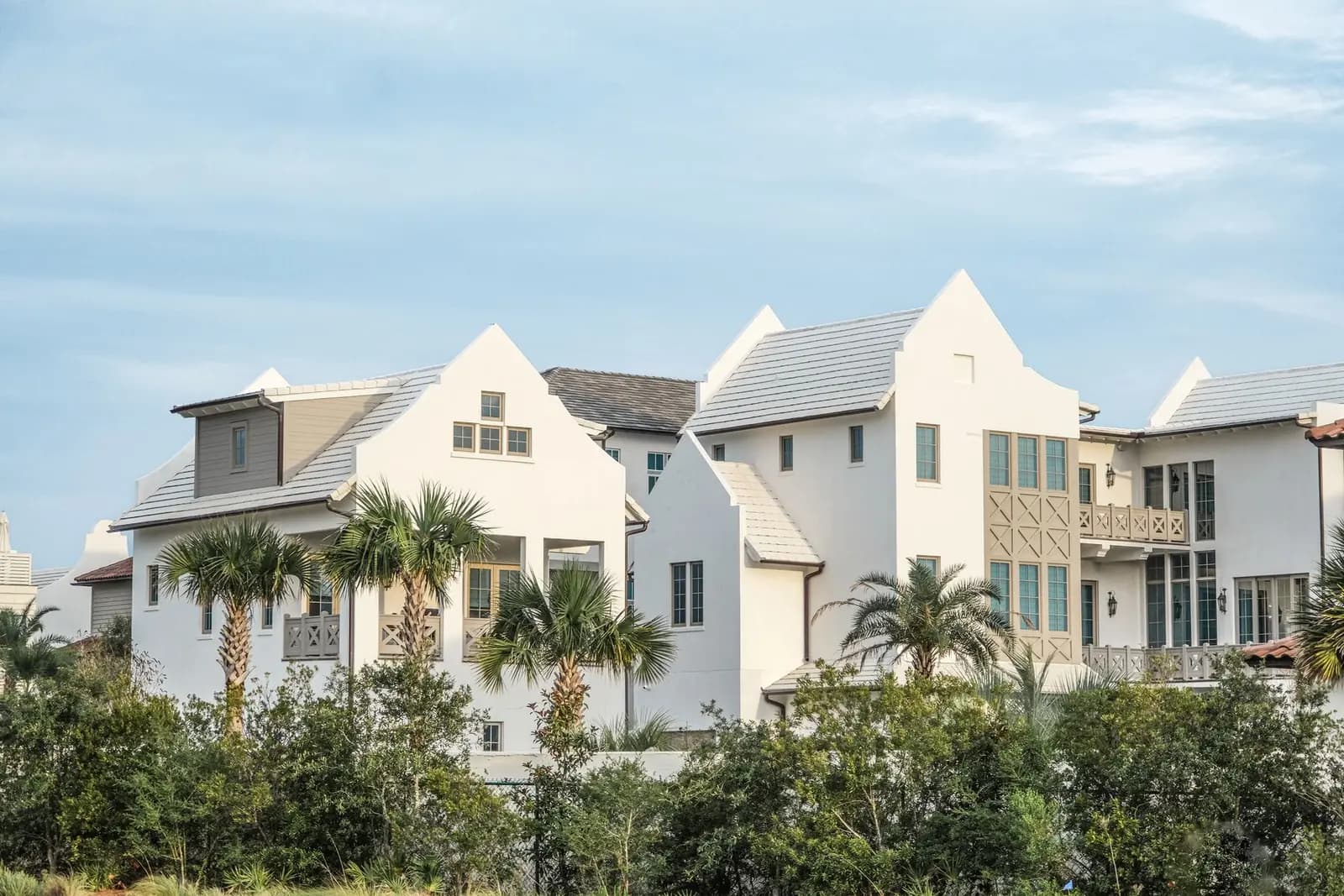
The agent site and the listing that will expire
The pages that should still be true next year are about the agent or team, the buyer and seller process, and the neighborhoods you can describe from work you have done. Listing pages are different. They come from the multiple listing service, they go pending, and they sell. When the status changes, the page should say so immediately. A URL that still offers a house for sale after closing is a trust problem, and it is stale content.
What happens after the sale depends on rules you do not get to invent. Some brokerages allow a clearly marked sold note with original commentary. Some require the page and the photos to come down because listing display rules and photo rights do not let you keep them. Follow the brokerage and MLS policy you were given. We will not leave "for sale" up because the address still gets visits, and we will not look for a loophole in the photo rules.
Large listing feeds can publish thousands of thin address URLs. That is a cleanup question for the brokerage and the site tools, not a plan to cover the county. Keep the pages you intend to maintain. Keep expired, duplicate, or empty listing URLs out of the index when policy and the site allow it. The point is accuracy. The point is not a page for every address in the hope that one of them ranks.
Neighborhood guides from observation
A neighborhood guide is worth publishing when you know the place. Walk it. Note the housing stock, the main streets, how parking works on an ordinary day, and where people run errands. Date the visit. A sentence that says you walked the blocks on a particular morning is stronger than a paragraph rewritten from a portal with the neighborhood name swapped in.
An example, labelled as an example of original notes rather than as a client page: a guide might say the commercial street stays busy into the early evening, that many houses on the blocks you walked are one-story ranches, and that you are not rating schools. It would point readers to the district and the city for current boundaries. It would not call the area exclusive, safe, or a fit for any group of people.
Do not publish a guide for a neighborhood you do not work and have not learned. A thin guide is obvious to anyone who lives there. If your knowledge is a few streets, say so and stop at those streets. Specific and limited is better than a wide page borrowed from someone else's data. Update the guide when a major street or a main amenity changes, and keep the observation date current.
Fair housing in the copy
Federal fair housing law covers race, color, national origin, religion, sex, disability, and familial status. Current federal interpretation also treats sexual orientation and gender identity as part of sex discrimination. States and cities often add protected categories. This page is not legal advice and not a compliance opinion for your brokerage. It is a marketing boundary: describe the property and the place, not the people you hope will buy or rent. Brokerage compliance has the last word.
Examples of steering-style phrases to avoid, labelled as examples of wording and not as lines to publish: "perfect for families," "exclusive enclave," "safe neighborhood," "ideal for young professionals," and "great for empty nesters." Prefer sentences about the property. "Many homes are one story." "The building has a playground." "The street is a cul-de-sac." Even factual sentences should go through the brokerage's review, because context changes how a line reads.
The same care applies to headlines, photo captions, the Google Business Profile description, and social posts. A page that would never say "no children" can still steer with a softer line about who belongs there. We will not write that line, and we will not aim a neighborhood page at a protected class. If a draft depends on who the buyer is, rather than what the house is, it goes back for a rewrite.
- Describe the property and the place, not a preferred buyer
- No "safe," "exclusive," or "perfect for" a group of people
- School comments point to official sources instead of ranking them
- The same standard on the profile, captions, and social posts
- Brokerage compliance reviews the wording before it ships
What the brokerage already decided
Many choices an agent wants to make are already set. The brokerage may own the brand rules, the required disclaimer, the logo treatment, the team-name policy, and whether an agent may run a separate domain. MLS rules govern listing remarks, photo use, and how syndicated listings must be displayed. Office policy may require approval before a page goes live. Those constraints come before any search tactic.
Build inside the rules. An agent site that fights the brokerage brand creates a compliance problem long before it creates any other outcome. We do not promise to outrank the brokerage website. We do not recommend breaking an office policy in order to try. If a page is prohibited, it is not built. If a disclaimer is required, it stays where the policy says it must be readable.
The profile should match the role. An individual agent and a brokerage are not the same listing. Using the office address is appropriate when you work there and a listing at that address is allowed. It is not a reason to open a profile for every neighborhood you farm. The name on the profile should be the name you are approved to use, not a city plus "best realtor" or a similar keyword string.
What real estate SEO tends to cost
Local SEO retainers are often discussed around $750 to $5,000 per month, depending on competition and content. A single agent site with a few original neighborhood guides and disciplined listing hygiene is often discussed toward the lower and middle part of that range. A team covering many neighborhoods, with more original writing, more compliance review, and more listing upkeep, is discussed higher. The slow part is the reporting and the status changes. Generating neighborhood pages from a template is cheaper, and it is not the work described here.
Brokerage approval can add time that does not show up in a generic price. If every guide waits on a compliance reader, the monthly scope should say so. Listing feeds that need cleanup can dominate the first months and then settle into maintenance. None of that spend purchases a position.
That range is not a CodeHunterz rate card. It is not a quote. It is not a ranking guarantee. It is not a promise of a page one ranking or a map pack position. We quote after we see the site, the brokerage rules you have to follow, and the areas you can write about from experience.
What do owners in this industry ask?
Q01What should happen to a listing page after the home sells?
The status should change immediately so the page no longer says the home is for sale. Whether a sold note can remain, and whether the photos must come down, depends on MLS and brokerage rules. Follow those rules. Do not keep an active listing up because the address still receives visits.
Q02How should a neighborhood guide be written?
From observation you can stand behind: housing, streets, and what you saw, with a date. Skip portal rewrites. Do not rank schools or call an area safe or exclusive. If you do not know the neighborhood, do not publish the guide. A short page about the streets you know is better than a wide page you borrowed.
Q03Which fair housing mistakes show up in real estate SEO copy?
The common mistake is describing the buyer you want instead of the property. Examples of phrases to avoid include "perfect for families," "exclusive," "safe neighborhood," and "ideal for young professionals." Federal law covers race, color, national origin, religion, sex, disability, and familial status, and local rules may add more. Have brokerage compliance review the copy. This FAQ is not legal advice.
Q04Can the brokerage restrict an agent SEO site?
Yes. Brand rules, disclaimers, domains, team names, MLS display, and approval steps are often already set. We work inside them. We do not promise to outrank the brokerage site, and we do not publish pages the office prohibits or profile names built out of keywords.
Q05What does real estate SEO cost?
Local SEO retainers are often discussed around $750 to $5,000 per month, depending on competition and content. That is not a CodeHunterz rate card and not a ranking guarantee. Original neighborhood writing and listing maintenance are what move a project inside that range. Template city pages are not the work.