
Dentists / AI receptionist
AI receptionist for dental offices
Dental phones go quiet for the wrong reason. The team is with a patient, the front desk is checking someone out, and a new patient calls the next office that picks up. An AI receptionist covers that gap without pretending to be a clinician.
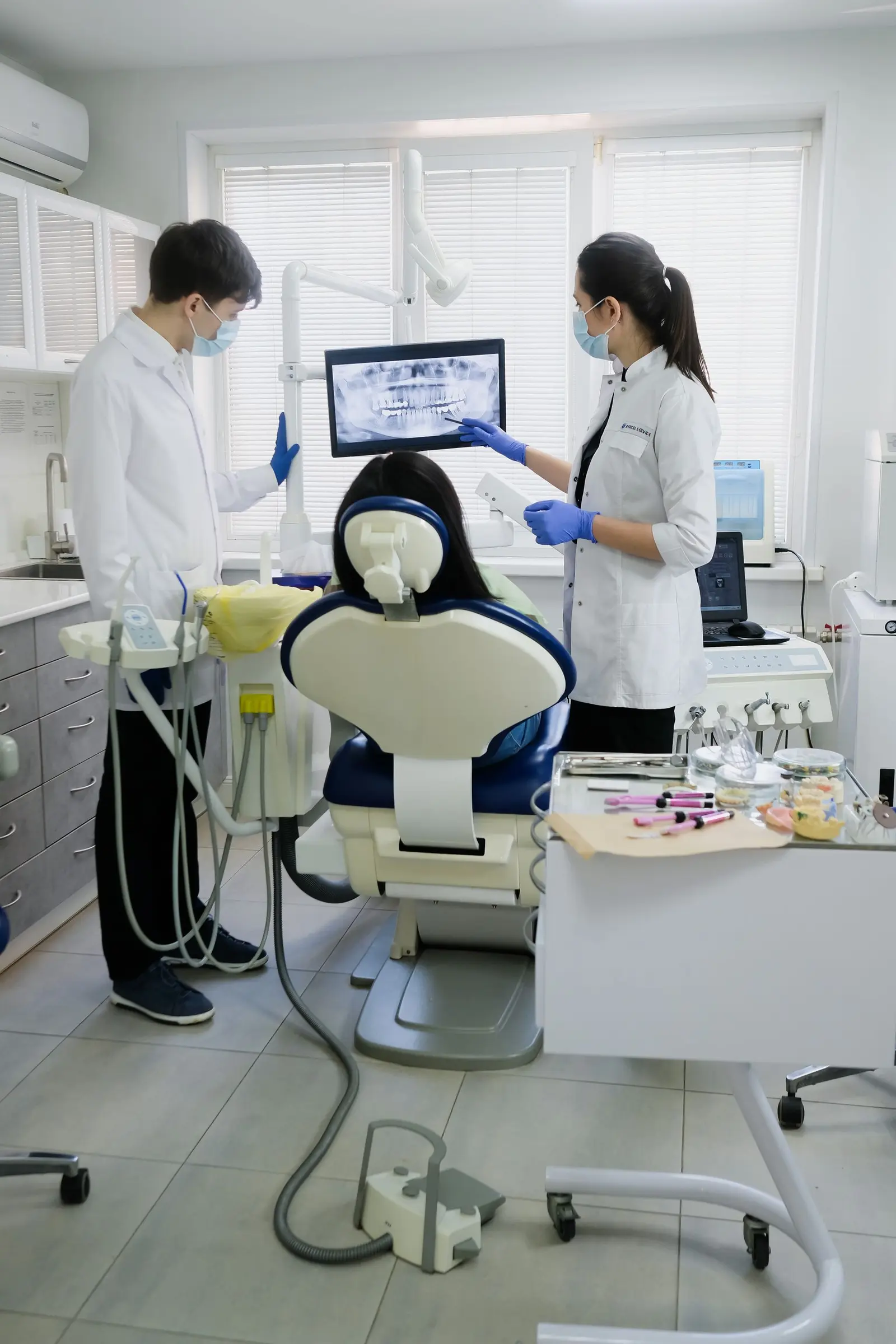
Where dental calls actually die
The calls that matter are not evenly spread through the day. They bunch up at open, at lunch, and after the last patient, which is also when a small office has the fewest people at the desk. A new patient who hears voicemail rarely leaves a useful message. They call the next practice in the map pack.
Recall is the other leak. A patient who is due for a cleaning is easier to book than a stranger, and still gets a busy signal or a "we will call you back" that never happens. The receptionist is not failing. The schedule is full of people who are already in the chair.
An after hours caller with swelling or trauma is a third category. That call should not sit in a queue until morning, and it also should not receive a diagnosis from a bot. The useful behavior is a short triage script you approve, then a transfer to the on call clinician or a clear instruction to seek emergency care.
What the receptionist is allowed to do
We write the call flow from the questions your front desk already answers: new patient exam, cleaning, a specific procedure you actually offer, insurance "do you take this plan", and reschedule. The bot offers real openings from the schedule system when that system can share them. If it cannot, the bot collects the preferred window and a person confirms. It does not invent a chair time.
Clinical questions get a refusal. Pain advice, medication, and "is this an emergency" beyond the script you sign off go to a human or to your written emergency instruction. The greeting can say the caller is speaking with the office assistant so nobody feels tricked when the handoff happens.
- New patient exams and hygiene visits booked against real openings
- Reschedule and cancellation handled with your notice rules
- Insurance participation answered only from the plan list you maintain
- Recall reminders by text when a patient agrees to them
- Emergencies transferred, not diagnosed
Privacy, not a badge on the website
A dental office handles health information. A voice bot that stores recordings, names, and reasons for a visit is not a toy widget. Before anything goes live we talk through where audio and transcripts live, who at the practice can read them, and whether a business associate agreement is required with the voice vendor. If a vendor will not sign one, we do not recommend them for this use.
The script itself should collect the minimum. Name, callback number, reason in the patient's words, and the slot. It should not ask for a full medical history on an open phone line just because a model can. Staff still confirm identity before discussing an existing chart.
How this sits next to the website
The phone and the site have to tell the same story. If the bot says you see new patients on Thursdays and the website says you are closed Thursday, you will get angry calls that are your fault. Service pages, the Google Business Profile, and the call script should share one list of procedures and one set of hours.
A dental website still has a job the phone cannot do: show the practice, explain a procedure in calm writing, and let someone request a visit at midnight without talking. The receptionist page and the website design page are a pair, not competitors. Many offices need the phone covered first because that is where the same day leak is.
An example week, clearly labelled as an example
Picture a four chair office. From 8 to 5 the front desk still answers. After 5 and on the lunch block, the AI receptionist takes the line. It books hygiene into openings the scheduler marked as public, texts a confirmation, and forwards anything with the words swelling, trauma, or bleeding to the on call phone. Monday morning the office manager reads a short list of calls, not a novel. Nothing in that picture is a measured result from a CodeHunterz client. It is the shape of the work.
What do owners in this industry ask?
Q01What is the best AI receptionist for a dental office?
The best one is the one that uses your procedure list, your real schedule, and a refusal rule for clinical advice. A generic demo that books a fake cleaning is not evidence. We build the flow around the practice instead of reselling a single brand as the winner.
Q02Can it work with Dentrix, Eaglesoft, or Open Dental?
Only when that system exposes availability in a way we can read and write safely. Some offices are limited to a request that staff confirm. We check the integration before we promise live booking. We do not claim a prebuilt connector for every practice management product.
Q03Will patients hate talking to AI?
Some will ask for a person immediately, and the flow should allow that without an argument. Others want a cleaning on the books at 9 p.m. and do not care who typed it. You will hear both in the first week of transcripts. That is how you tune the greeting.
Q04Is this HIPAA compliant by default?
No product is compliant by existing. Compliance is the agreement, the minimum data, the access list, and the vendor terms. We scope that with you. We do not stamp a HIPAA badge on a demo.
Q05How much does a dental AI receptionist cost?
Expect a setup cost for the script, the number, and the schedule connection, then a monthly cost tied to minutes or calls. We quote after we know the office hours and the systems. Published prices elsewhere are not our prices.